
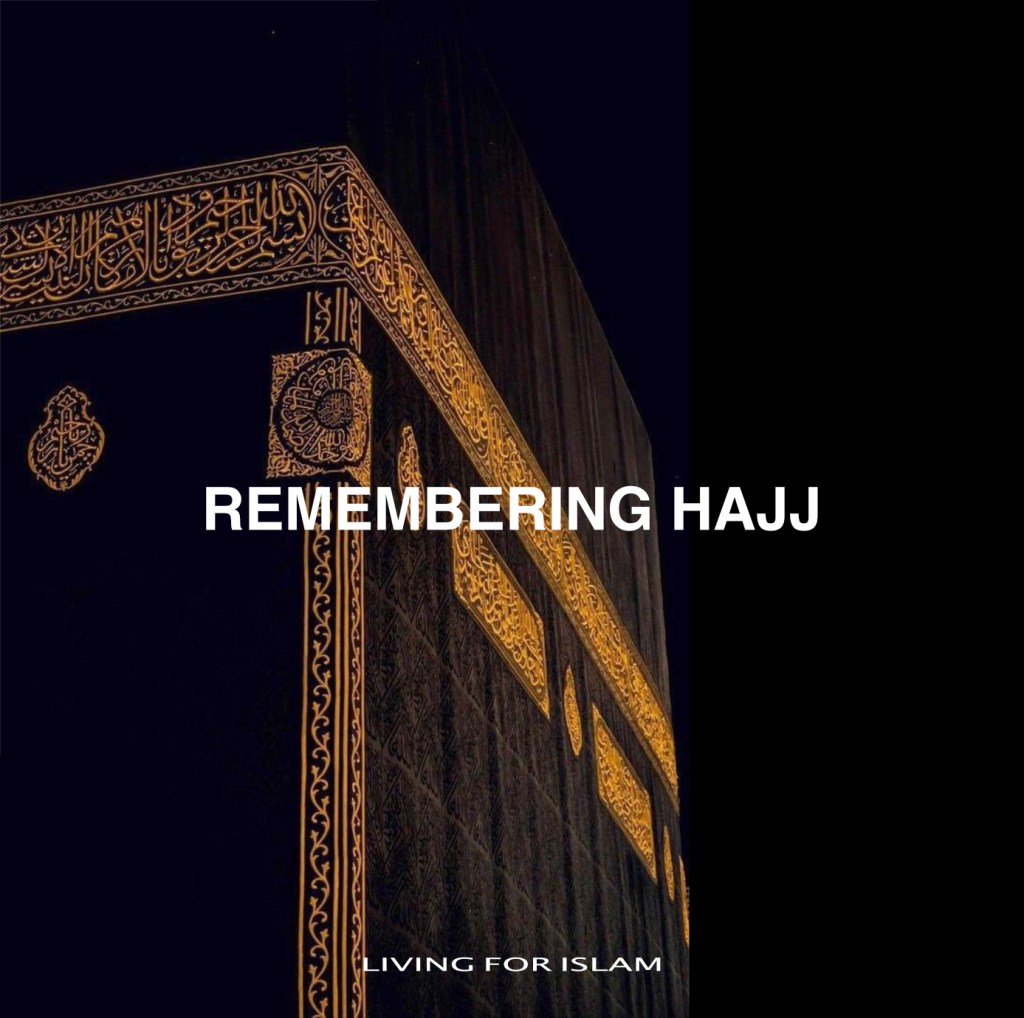
DHUL HIJJAH IS almost upon us, and with it comes the familiar pull, that instant tug at something deep in the chest that every believer who has stood in those blessed places will recognise.
I have been blessed to perform hajj twice in my life. The first time I was in my twenties, fresh out of medical school, young, single, unburdened by the accumulations that life quietly piles onto a person. The second time was in my forties, married, with children, carrying all the weight and wonder that the busyness of midlife brings to the table. Between those two and after, there have been two umrahs. Each journey its own, each carrying its own particular light and lessons.
Every year as Dhul Hijjah approaches I find myself doing something I can only describe as an accounting. I look back at those experiences, the moments of overwhelming nearness, the promises made to Allah in states of raw sincerity, and I ask myself the question that is as uncomfortable as it is necessary: have I lived up to any of it since?
This is why I want to write. Not as a travelogue. Not as a guide. But as a form of murāqabah, a watchful, honest revisit of my own story, in the hope that something in it resonates with yours.
Hajj and umrah are unlike any act of ibadah in the demands they make on a person, or at least they should be. They are meant to unsettle you, to pull your attention away from yourself and back toward Allah.
I remember my first visit when there were no gleaming towers crowding the skyline of Makkah. I managed to find some time, made a handful of phone calls, bought an air ticket, and found a room to share with five others sleeping on the floor, a modest place, probably unrateable by any conventional hotel measure, but close to the Haram. I remember the people, the press of bodies, the noise and intimacy of it all. There was something in the rawness of that experience that cracked you open, whether you wanted it to or not.
That Makkah is largely gone now. The small hotels and guest houses have been swallowed by five-star mega-developments. You can stay in towers of marble and glass, look down upon the Kaʿbah from above, and return to a room of quiet luxury having barely broken a sweat.
I do not say this as simple nostalgia. I say it because I worry: when the friction is removed, when the discomfort is engineered away, when umrah becomes something offered between business trips and half-term holidays, what then is left of the transformation that these blessed places are supposed to work on the soul?
In an age of commercialisation something real is being lost. Only the other day a Muslim travel agency posted an umrah package, ‘Umrah for the greatest spiritual event and then chill at the Riyadh Festival on the way back.’ Another package offered the beaches of Dubai. As though you needed a reward for your effort.
I am not saying that comfort is the enemy. I have experienced both situations. It is easier to concentrate on the ibadah if you are not agitated or exhausted. But the one who is too comfortable may forget why he is there.
The real question is whether the heart arrives willing to surrender, comfort or not.
Over the next ten days, if Allah wills, I want to sit with these questions and more. To share some of what those two hajjs and those two umrahs have left in me, the lessons, the failures, the things I saw and felt that I keep returning to. I hope something here is of use to you, wherever you are in your own relationship with this sacred journey.
And to those fortunate enough to be making their way to Makkah this year, may Allah accept from you entirely, and return you changed.

