
BRITAIN’S PUBLIC SERVICES are in trouble. Junior doctors are on strike. Teachers are quitting. Nurses, midwives, fire fighters, policemen and social workers are burning out and leaving. Patients are waiting longer. Schools can’t find enough staff. Care homes are stretched to breaking point.
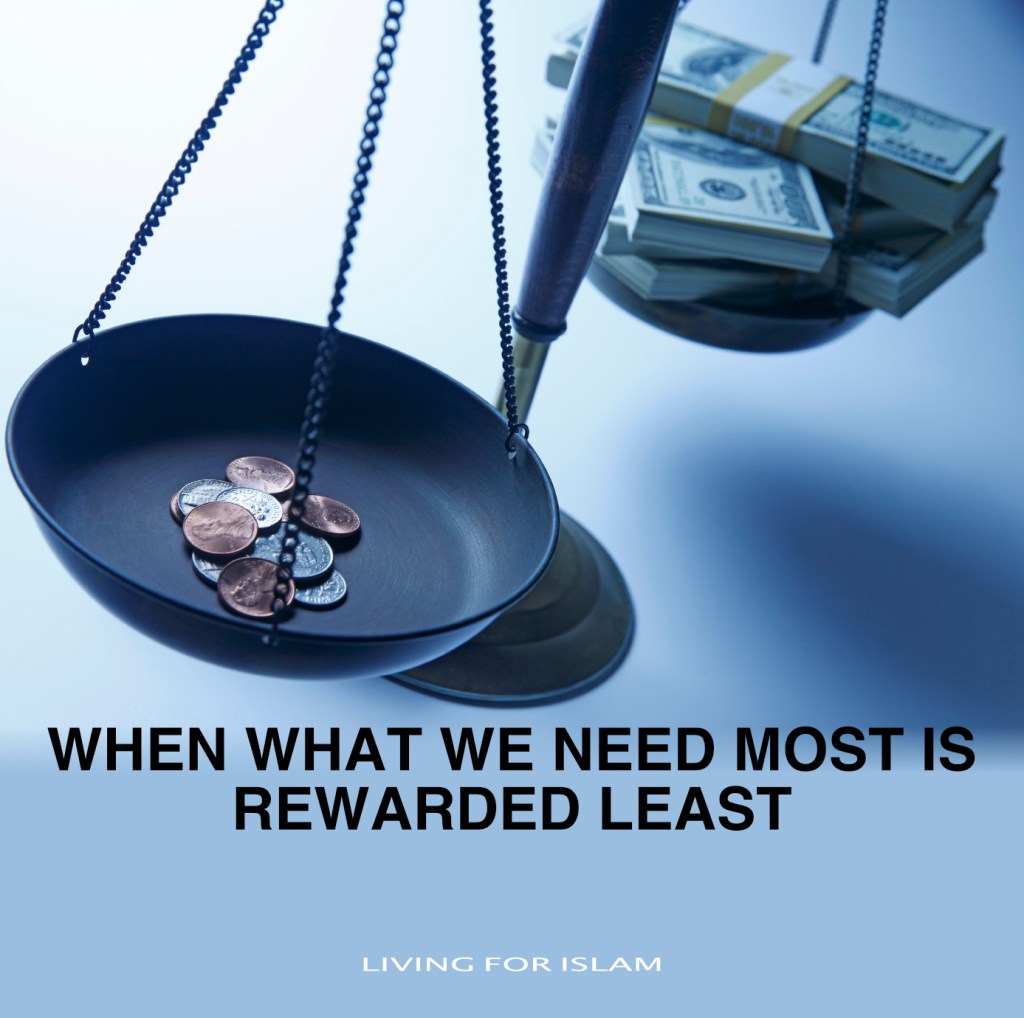
The usual explanation is that there isn’t enough money. But that only tells part of the story. The deeper question is this: why are the people we depend on most often paid the least?
Price and value are not the same thing
It helps to separate two ideas that modern economics often treat as identical: price and value.
Price is what the market pays. It is driven by how much money an activity can generate, how many people can do it, and how much negotiating power workers have. Value is something different. It is about how necessary something is — how much life, health, and society depend on it.
In a well-ordered world, the two would line up. The most valuable work would also be the most well paid. But in a market economy, that is not how it works. What gets paid most is not what matters most. It is what generates the most revenue.
This produces a strange result.
A nurse works exhausting shifts, makes decisions that affect people’s lives, and keeps the health system running. Without nurses, hospitals stop. A Premier League footballer plays in a sport that generates billions in TV deals, sponsorships, and global audiences. At the top level, this produces extraordinary wages.
Neither job is wrong. But the gap in pay tells us something important: the market rewards what is commercially valuable, not what is humanly essential. Society did not sit down and decide that entertainment matters more than healthcare. But the way our economic system works, it ends up rewarding them as if it had.
The pandemic made this visible
The COVID-19 pandemic stripped things back to basics in a way that nothing else in living memory had done. And in doing so, it revealed exactly this gap between price and value.
Football stopped. Stadiums closed. Leagues were suspended. And the world kept turning. People missed it. But they managed.
Meanwhile, nurses, doctors, paramedics, care workers, and refuse collectors worked through the worst of it. They could not stop. They did not stop. Society could not function for a single day without them.
People recognised this instinctively. That is why they stood on doorsteps and clapped. The applause was genuine, it reflected a real, widely felt understanding of who was truly essential.
But when the crisis passed, the wages did not reflect that understanding. Workers who had been called heroes were offered pay deals that did not keep up with the cost of living. The applause faded. The pay gap remained.
That moment exposed something important: we know, when it matters, what real value looks like. The question is why that knowledge does not translate into how we reward people when the crisis is over.
What Islam says about this
From an Islamic perspective, this is not just an economic problem. It is a moral one.
Islam permits trade, commerce, and earning a living. But it does not treat the market as the final word on what things are worth. Markets are useful tools. They are not moral judges.
Islamic scholarship has long recognised that human needs come in a hierarchy. At the base are the essentials, the things without which life and society cannot function: health, safety, justice, education, care for the vulnerable. These are called daruriyyat, the foundations. Above them are things that make life easier and more dignified. And above those are the luxuries and pleasures that improve life but are not necessary for it.
Entertainment and sport belong to that last tier. Healthcare, education, and social care sit firmly at the foundation.
So the question is not whether football is permissible. It is (with caveats). The question is whether a society that pays its entertainers vastly more than the people holding up its foundations is ordered in a morally sound way.
When the people working at the base of society, the nurses, the teachers, the carers, feel undervalued and underpaid, and many are leaving, something has gone seriously wrong.
What a just society looks like
Islam does not say everyone must earn the same. It does not reject commerce or market activity. But it insists that economic arrangements must be judged by whether they are just and whether they reflect what actually matters for human life. It also isn’t fixated around production of wealth but ensures its fair distribution.
Islamic thought offers practical principles for this. Zakah, the annual wealth levy channels resources toward those in need. The concept of a fair wage, ajr al-mithl, holds that workers are owed pay that reflects the true value of what they do, not just what an employer can get away with. Many of the instruments and systems that have been created to funnel wealth away from the many to the few are prohibited in Islam. And those in authority carry a direct responsibility to protect the people whose work holds society together.
The real question
The crisis in our public services is not simply about budgets or pay negotiations. It reflects something deeper: a system that is very good at rewarding what is commercially visible, and much less good at rewarding what is humanly necessary.
The pandemic showed us, briefly and starkly, that we already know the difference. We knew who we could not live without.
The question is whether we are willing to build a society that reflects that knowledge, not just in a crisis, when we have no choice, but every day, in the wages we pay and the people we choose to honour.

