
THERE IS AN āyah in Surah Ibrāhīm that was revealed for every age, including ours.
وَبَرَزُوا۟ لِلَّهِ جَمِيعًۭا
They will all be brought forth before Allah (Ibrahim 21)
The scene is stark. Barazu; humanity in its entirety, exposed, stripped of image, status, and narrative. No filters. No branding. No audience.
And then, in that exposure, a conversation unfolds between two groups who recognise each other.
فَقَالَ ٱلضُّعَفَـٰٓؤُا۟ لِلَّذِينَ ٱسْتَكْبَرُوٓا۟ إِنَّا كُنَّا لَكُمْ تَبَعًۭا
The weak say to those who were arrogant: we were your followers…
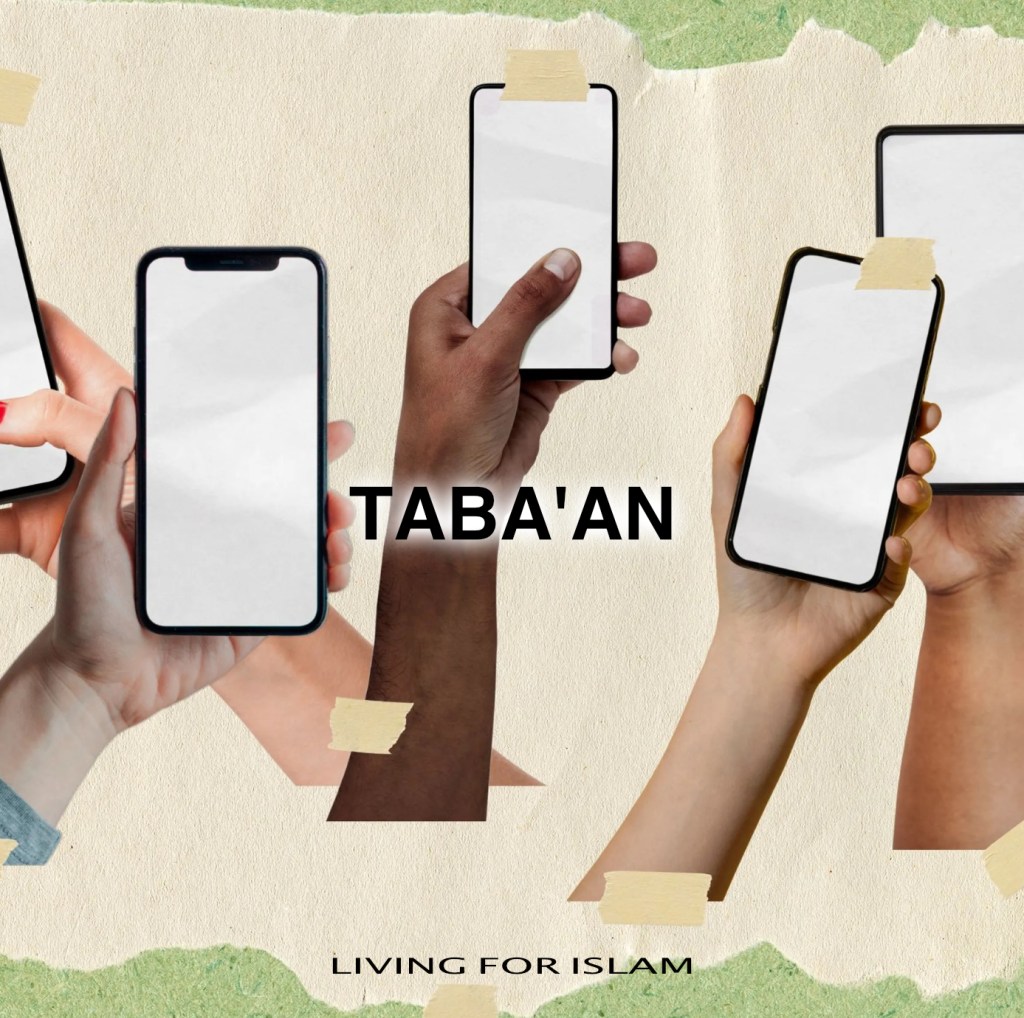
The word the Qur’ān chooses here needs our attention. Taba’an does not mean thoughtful, considered following. It carries the sense of trailing behind, drifting, absorbing without resistance. This is not reasoned following but passive imitation. And what is remarkable is that Allah does not call these people criminals. He calls them al-dhu’afā’, the weak. Not in body, but psychologically. Weak in the capacity to examine what they were receiving, to ask whether it was worth receiving, to lead themselves rather than be led.
On the other side of that exchange stand alladhīna istakbarū, those who were arrogant. Here again the words matter. It does not simply describe people who happened to have status. It describes people who sought elevation and who constructed it. The Arabic conveys intention. They built carefully curated lifestyles and aesthetic perfection. They manufactured certainty. And people followed them based on appearance rather than substance.
This dynamic is not new. But it will feel very familiar today.
What is striking about the āyah is that the followers do not say: you taught us false religion. They simply say: we followed you. Which means the harm was not always explicit misguidance. Sometimes it was just distraction, obsession with the superficial, a life without any real purpose. Triviality is not harmless. It trains the heart to care about what does not matter, until caring about what does matter requires an effort the heart is no longer accustomed to making.
فَهَلْ أَنتُم مُّغْنُونَ عَنَّا مِنْ عَذَابِ ٱللَّهِ مِن شَىْءٍۢ
…so will you (then) protect us from Allah’s torment in any way?
The followers then ask whether those they followed can bear any portion of their punishment. This exposes a belief that felt reasonable in the world, that influence carries shared responsibility. But the Qur’ān dismantles it. You may have been shaped by someone. You may have spent years absorbing their priorities and their sense of what life is for. But you will stand alone. “They will all be brought forth before Allah” each one of them, individually present, with nowhere to shelter behind another’s influence.
And then comes one of the most devastating responses in the Qur’ān.
The arrogant, those who projected certainty, who built audiences, whose very presence suggested they had answers, say:
قَالُوا۟ لَوْ هَدَىٰنَا ٱللَّهُ لَهَدَيْنَـٰكُمْ
If Allah had guided us, we would have guided you.
No solutions. No leadership. Only deflection. Notice that even now they refuse to take responsibility as they blame Allah for not guiding them. And then total collapse:
سَوَآءٌ عَلَيْنَآ أَجَزِعْنَآ أَمْ صَبَرْنَا مَا لَنَا مِن مَّحِيصٍۢ
It is all the same to us whether we panic or remain patient, there is no escape for us.
The persona is gone. The influence is gone. What remains is the person, stripped, with nothing left to project.
This āyah doesn’t condemn influence. It is a warning about unexamined influence. Not every influencer is constructing something false. Not every follower is weak. But the Qur’ān is asking each of us to pause at the moment before the click, before the scroll, before the absorption and ask: does this person point me toward Allah and His Cause, or do they point, subtly and persistently, toward themselves and triviality?
Because on that Day, there will be no algorithms, no audiences, no social validation to soften the exposure. Only the question of what we allowed to shape our hearts, our minds, and our path.
The Qur’ān has already shown us how that conversation ends.
| QUR’ANIC REFLECTION · SURAH IBRAHIM 21 |
 Living For Islam