
A HEADLINE CAUGHT my eye this week. A record number of under-30s in the UK are earning more than a million a year.
It got me thinking.
Twenty-five years old. Millionaire. Not from building something tangible. Mostly from screens. Influence. Attention. Branding.
This seems to be what “doing well” looks like these days. It’s subtle. But it’s there.
What made that the new benchmark?
I look at the world around me, and it feels… strained. Here in Britain, nurses and teachers are exhausted, many leaving their professions. Food banks expanding. Housing unaffordable. Across the world, whole regions are destabilised by war, with millions displaced. Climate anxiety is sitting in the background like low-grade noise.
And yet the biggest rewards seem to flow to those who can hold your attention the longest.
That disconnect unsettles me.
I’m not against wealth. Islam never taught me to be suspicious of money. Some of the companions were hugely successful traders. Wealth in itself wasn’t the issue.
But it was never the point.
Somewhere along the way, visibility started to feel like value. If it’s seen, it matters. If it trends, it counts. If it pays well, it must be important.
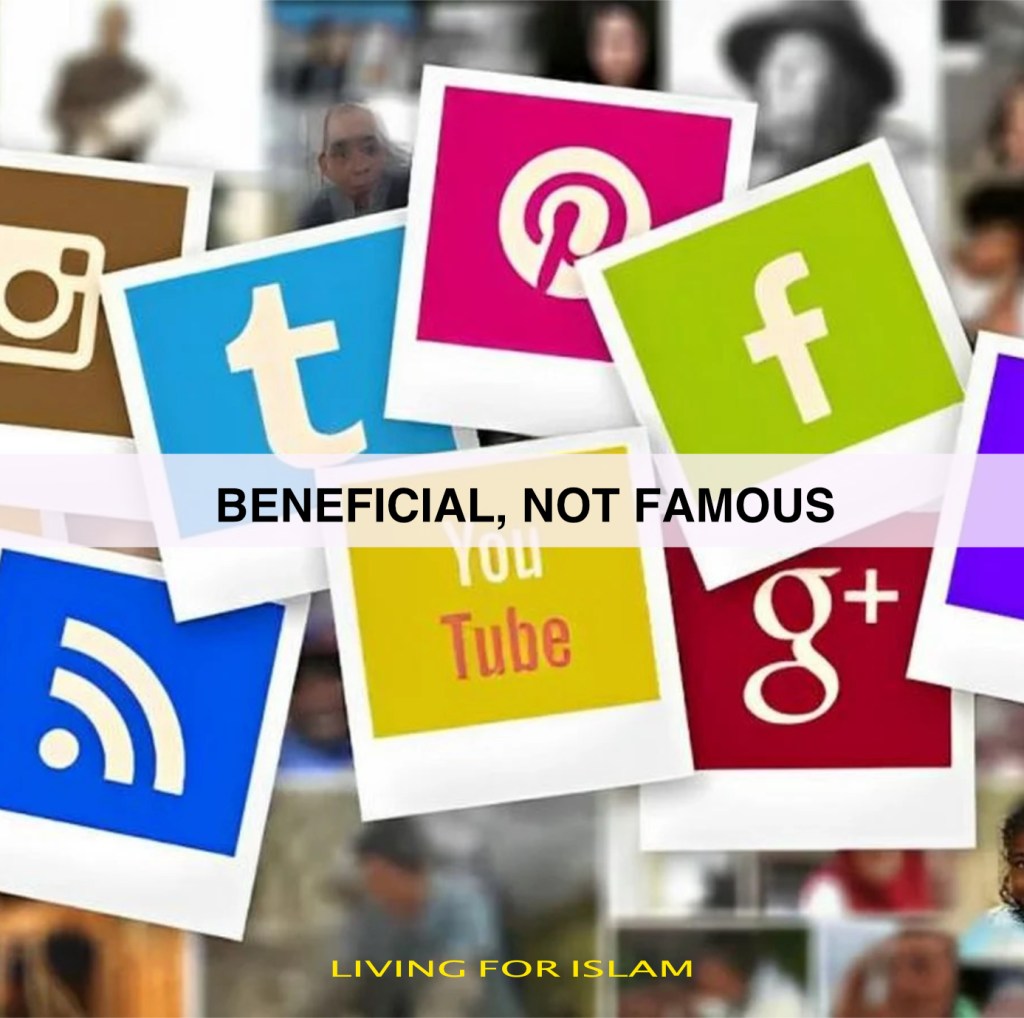
Social media doesn’t just show lifestyles. It trains desire. It shifts ambition. It tells young people that the highest form of success is to be watched.
And the cost is rarely mentioned. The anxiety. The comparison. The constant measuring of self against curated fragments of other lives. The restlessness after scrolling for too long. Agitation. Dissatisfaction. For no clear reason.
It should be different. There should be real work. The kind that leaves something behind. A repaired system. A healed patient. A student who understands something new. A family fed. A building standing.
There’s weight in that.
The Prophet ﷺ once said that the most beloved people to Allah are those most beneficial to others.
Beneficial. Not famous. Not impressive. Beneficial.
When I read the Qur’an, these verses keeps coming back to me:
أَلْهَىٰكُمُ ٱلتَّكَاثُرُ. حَتَّىٰ زُرْتُمُ ٱلْمَقَابِرَ
Competition in worldly increase distracts you until you visit the graves. (at Takathur 1–2)
Distracts you.
Not destroys you immediately. Not humiliates you. Distracts you. Slowly. Quietly. Until life is over.
I wonder how much of our ambition is just a distraction dressed up as drive.
The world isn’t short of crises. Poverty. Inequality. War and displacement. Systems that are failing the vulnerable. Mental health struggles that keep growing.
These aren’t abstract policy debates. They are human realities.
And I ask myself: what kind of generation are we becoming?
Are we training ourselves to capture attention, or to solve problems? To optimise engagement, or to relieve suffering? To grow platforms, or to rebuild systems?
I don’t ask that as an accusation. I ask it because I know the pull of the easier path. The visible path. The path with quicker rewards.
There’s something heavier about choosing service. It takes longer. It’s less glamorous. It doesn’t trend.
But it builds.
I think about the early Muslims and what they actually did. They didn’t just preach beliefs. They built a state. Built institutions. They organised zakat and the Bayt al-Maal. They developed knowledge and produced the greatest minds. They structured markets and created prosperity for the many. They created endowments that outlived them. They solved human problems. They led the world.
They thought in generations. They understood that knowledge, wealth, and authority were trusts. That is the type of work Islam consistently honours.
But somewhere we’ve allowed ambition to shrink. Personal advancement. Career progression. Financial comfort. Stability for the family.
All good things. Necessary things.
But too small on their own.
The ummah was described as the best nation raised for mankind. For mankind. Not just for itself. That phrase carries responsibility.
If parts of the world are burning, starving, collapsing, then iman can’t remain a private comfort. It has to translate into competence. Into skill. Into contribution.
I don’t think we need fewer ambitious young Muslims. I think we need more. But aimed differently.
Engineers who see infrastructure as an amanah. Economists who question systems that reward extraction over care. Doctors who choose underserved communities. Policy thinkers who refuse cynicism. Entrepreneurs who build with ethics, not just margins.
And yes, even people on social media, but grounded, purposeful, restrained, helping real causes.
And all of them are carrying da’wah through their work. Not just with words, but through presence. Integrity. The problems they choose to tackle. The way they conduct themselves. What they prioritise. Who they serve.
I’ve started asking myself a deeper question when I think about work: If I became successful at this, who would actually benefit?
Not in theory. In reality.
Because one day the numbers won’t matter. Not the salary. Not the followers. Not the visibility.
Accountability will.
That thought isn’t abstract. It’s clarifying.
The issue isn’t that a 25-year-old earns a million pounds. The issue is what that represents to the rest of us. What it trains us to admire. What it trains us to chase.
I don’t want my ambition shaped by algorithms.
I want it shaped by need. By service. By the quiet weight of standing before Allah, knowing I tried to leave something useful behind.
Not just something seen.
That’s the recalibration I’m trying to hold onto.
 Living For Islam