
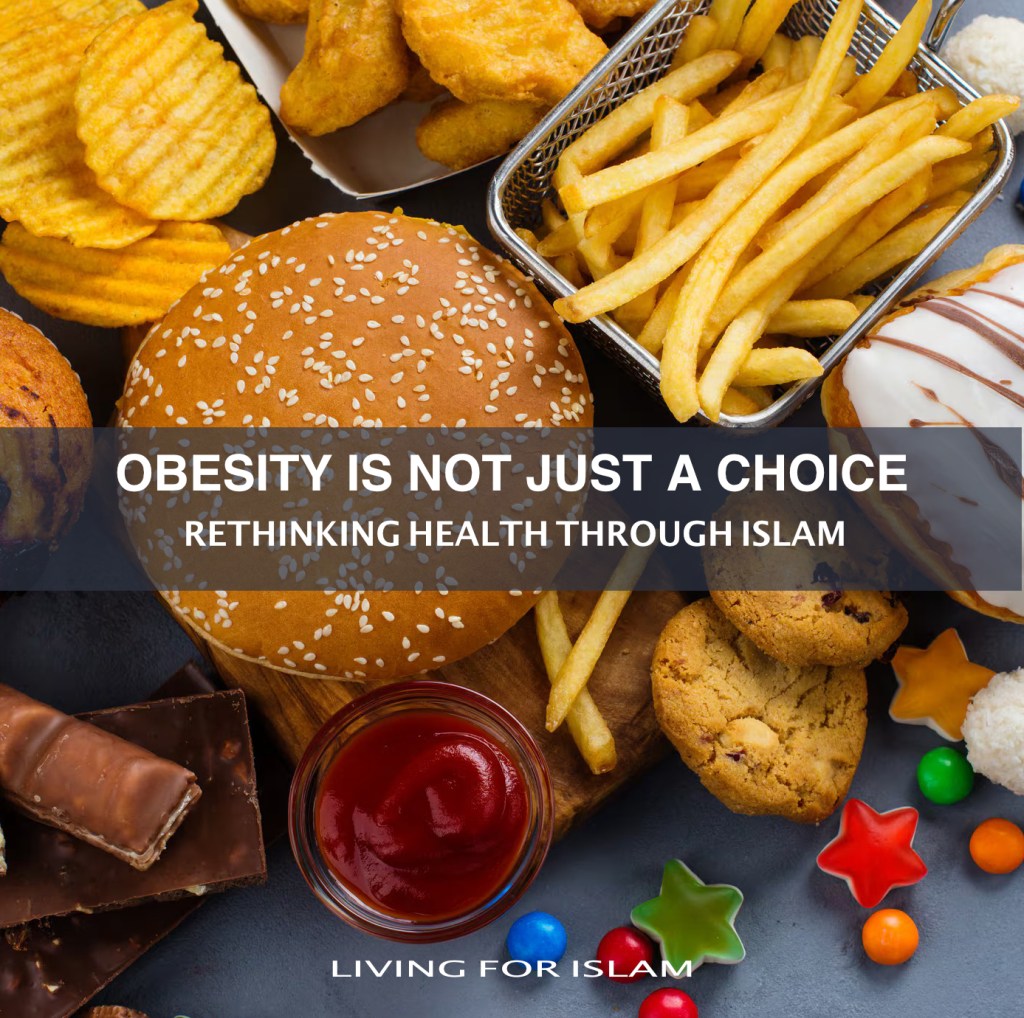
THE UK GOVERNMENT’S decision to ban fast-food advertising is unlikely to solve the problem of obesity. Reduced exposure may help at the margins, but it does not confront the deeper contradiction: a system that depends on excess while attempting to limit it. Little plasters cannot resolve structural contradictions.
Britain’s economic framework still prioritises profit over health, consumption over restraint, and individual choice over collective responsibility. From within that system, obesity is treated as a behavioural problem to be nudged, not a structural outcome to be confronted. Policies will always reflect the values underlying the system; they cannot transcend them.
Capitalism’s Contradiction
Fast-food corporations behave rationally within this framework. Ultra-processed foods are cheap, engineered for overconsumption, aggressively marketed, and highly profitable.
The contradiction is clear: capitalism requires excess to function, yet public health requires restraint. Any attempt to promote health without challenging the logic of profit and consumption is destined to be symbolic.
Other European countries offer alternatives, but Britain has chosen a path close to American deregulation, marked by suspicion of the so-called “nanny state” and deference to market actors. The outcome was predictable: obesity rates have tripled since 1980, despite individual choice being sacrosanct.
Islam’s Coherence
Islam does not suffer from this contradiction. Its economic, moral, and bodily ethics are internally aligned. Human well-being is an amanah, a trust, and economic activity is bounded by ethical limits. Allah says:
وَكُلُوا۟ وَٱشْرَبُوا۟ وَلَا تُسْرِفُوٓا۟ ۚ إِنَّهُۥ لَا يُحِبُّ ٱلْمُسْرِفِينَ
Eat and drink, but do not be excessive. Indeed, He does not love those who are excessive. (al Araf 31)
Excess is a moral boundary, not merely a lifestyle concern.
The human body itself is a trust. The Prophet ﷺ said: “Your body has a right over you” (Bukhārī). Health is not a personal preference but a moral obligation. A society that profits from damaging bodies violates this trust.
Islam treats restraint as a norm. The Prophet ﷺ warned against overeating, describing the stomach as the worst vessel to fill, and recommended moderation even with lawful food.
Fasting trains restraint and interrupts habitual consumption:
يَـٰٓأَيُّهَا ٱلَّذِينَ ءَامَنُوا۟ كُتِبَ عَلَيْكُمُ ٱلصِّيَامُ كَمَا كُتِبَ عَلَى ٱلَّذِينَ مِن قَبْلِكُمْ لَعَلَّكُمْ تَتَّقُونَ
O believers! Fasting is prescribed for you, as it was for those before you, so perhaps you will become mindful (of Allah). (al Baqarah 183)
Unlike capitalism, Islam aligns individual, social, and economic incentives: health, moral responsibility, and market activity reinforce rather than contradict each other.
Public Welfare and Justice
Profit is not neutral. Wealth is legitimate only when acquired justly and used beneficially. Allah warns:
وَلَا تَأْكُلُوٓا۟ أَمْوَٰلَكُم بَيْنَكُم بِٱلْبَـٰطِلِ
Do not consume one another’s wealth unjustly. (Al-Baqarah 188)
When corporations profit while society pays the cost of obesity, diabetes, and chronic illness, this is not a neutral outcome; it is an injustice. Protecting public welfare is a collective obligation, not an optional intervention. Islam begins with this premise; liberal capitalism treats harm as acceptable until it reaches crisis levels.
In Britain, the poor are affected most by cheap and aggressively marketed junk food, adding to health inequality. Islam interprets such outcomes as failures of governance and justice, not individual weakness. The Messenger ﷺ heard about an incident in Abyssinia where an elderly woman was pushed, he declared, “How would Allah sanctify a nation that does not protect its underprivileged from its powerful?” (ibn Majah)
Halal is not Enough: Tayyib Matters
Islam distinguishes between what is halal and what is tayyib: pure, wholesome, and good. Allah commands:
يَـٰٓأَيُّهَا ٱلنَّاسُ كُلُوا۟ مِمَّا فِى ٱلْأَرْضِ حَلَـٰلًۭا طَيِّبًۭا
Eat from whatever is on earth that is lawful and good. (al Baqarah 168)
The pairing matters. Permissibility alone is not the standard.
Much modern industrial food meets halal criteria while violating the spirit of tayyib. It may contain nothing explicitly forbidden, yet remain nutritionally empty, environmentally destructive, exploitative of labour, and engineered for addiction.
Islamic principles of trade, employment, company structure, and social norms make exploitation by mega corporations much harder and sustaining wholesome goods easier.
A Philosophical Insight
Obesity is not simply a medical issue or a failure of personal discipline; it is evidence of a system organised around israf (excess). Capitalism tries to solve obesity caused by the food industry with more capitalism by the pharmaceutical industry. It does not confront its foundational assumptions, creating a structural impasse. Islam, by contrast, offers coherence: individual behaviour, economics, social norms and governance all work toward restraint, health, and justice.
Where Muslims live under capitalist norms, even religious practices are shaped by consumer culture, demonstrating that structural incentives matter. Personal discipline matters only when the system supports it. Islam provides both the moral framework and the systemic logic to align society with human well-being.
Conclusion
Banning fast-food advertising may reduce harm at the margins, but it cannot resolve the deeper contradiction: a system that depends on excess cannot promote health. Islam does not face this contradiction. It places ethical limits on trade, aligns social and individual responsibility, and treats restraint as a collective obligation. Health, morality, and justice are mutually reinforcing. Only a coherent framework, not symbolic interventions, can create food systems truly compatible with human flourishing.
 Living For Islam