

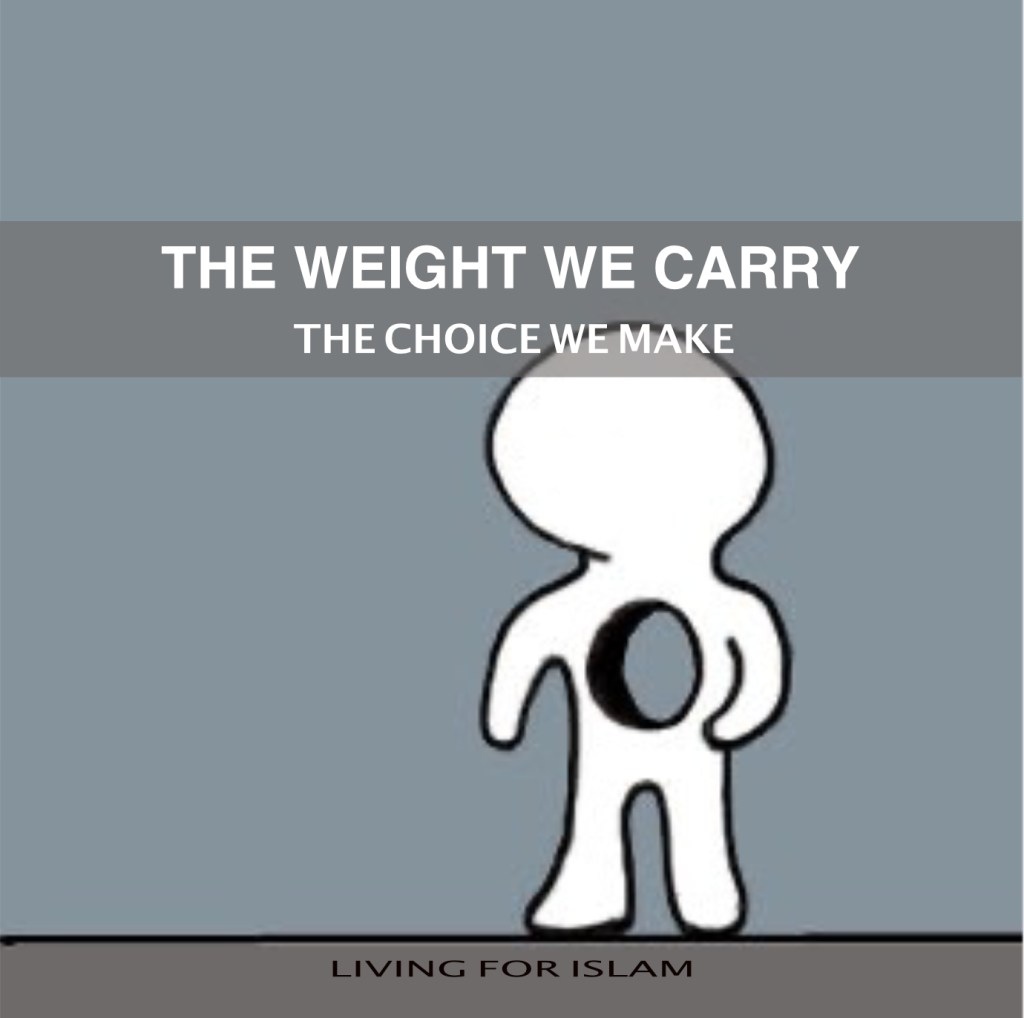
THE WEIGHT OF suffering can feel unbearable. When we are carrying it, kindness and patience can become difficult, sometimes painfully so. Pain narrows our vision. It tempts us to withdraw, to lash out, to excuse small acts of harshness by the magnitude of what we ourselves are enduring.
This is not a moral failure. It is a human reality.
But it is not the end of the story.
When life presses in on us in ways we did not choose, it is worth turning our gaze toward the life of our Prophet ﷺ, not to compare our pain with his, for pain does not need to be measured to be real, but to ask a different question: How did he remain who he was?
Few human beings encountered loss, rejection, and hostility in as many forms as he did across his 63 years.
He ﷺ never knew his father. His mother died when he was six, his grandfather soon after. He worked as a shepherd in his youth, living a life that was simple and uncertain. He knew poverty and vulnerability.
Then came Khadijah (ra), years of love, stability, and refuge. When she died, his grief was so profound that the year itself became known as the Year of Sorrow. He wept openly and spoke of her often. Loss was not something he denied or hid from.
He buried six of his children. Only Fatimah (ra) would live to bury him.
Before revelation, he was known as al-Amīn, the Trustworthy. Respected across tribal lines, entrusted with people’s valuables, and called upon to resolve disputes. He possessed a dignity that mattered deeply in his society.
Then came a single word from the heavens: Iqra’.
With it, honour turned to hostility. The same people who had trusted him mocked him and abused him. He was opposed within his own family, boycotted by his people, and driven from his home. He witnessed his companions tortured for their faith. He was wounded in battle, rejected, and harmed.
He ﷺ did not pretend that these things did not hurt. He grieved. He wept. He turned to Allah in duʿāʾ, seeking comfort and relief.
But across every trial, one pattern remains clear: he did not use his pain as permission to harm others or abandon moral responsibility.
After being driven from Ṭāʾif, wounded and rejected, he was offered the destruction of the town. He refused, hoping instead that Allah would bring guidance from their descendants.
When he returned to Makkah at its conquest, now in a position of absolute power over those who had persecuted him, he chose forgiveness over revenge and said, “Go. You are free.”
When a Bedouin urinated in the masjid, and others rushed to stop him, the Prophet ﷺ intervened, not with anger, but with mercy, protecting the man’s dignity and teaching without humiliation.
These are not stories of a man untouched by suffering. They are the stories of a man who, in the midst of suffering, chose who he would be.
How was that possible?
Not through emotional suppression or stoic denial. But through tawakkul, a continual turning toward Allah. The Prophet ﷺ returned to Allah again and again in prayer, in remembrance, in quiet reliance. He sought strength beyond himself. His connection to Allah ﷻ was not theoretical; it was lived, renewed daily, especially in moments of weakness.
This was the spiritual foundation that made his character possible.
Without it, the weight he carried would have overwhelmed any human being. But because he sought refuge in Allah, trusted His wisdom, and believed that no hardship was meaningless or wasted, he was able to endure without becoming bitter, to grieve without becoming cruel, to be wounded without wounding others in return.
And this is what is available to us.
Not perfection. He ﷺ was supported and chosen in ways we are not. But the path remains open. When we are overwhelmed, we can return to Allah. When pain tempts us toward hardness, we can ask Him to soften our hearts. When suffering whispers that harshness is justified, we can seek the strength to respond differently.
This does not mean trauma disappears, or that healing is quick, or that struggle reflects weak faith. Some wounds take years to heal, and Allah knows that. He does not burden a soul beyond what it can bear.
But it does mean we are not without resources. We are not abandoned. And we are not left to rely solely on our own limited strength.
The life of the Prophet ﷺ teaches us that meaning is not found in ease, but in iman. That character is not formed in comfort, but refined through trial. That pain can be carried without being allowed to define us, or used as permission to harm.
We will all face hardships we did not choose.
The question is not whether we will be tested, but who we will become through those tests.
Will suffering harden us and close our hearts?
Or, with Allah’s help, will it deepen us, making us more patient, more compassionate, more aware of the pain of others because we have known our own?
It is not hardship itself that defines a life. It is what we do with it, and even that is only possible by seeking Allah’s strength, again and again, whenever we falter.
أَلَمْ يَجِدْكَ يَتِيمًا فَآوَىٰ
وَوَجَدَكَ ضَالًّا فَهَدَىٰ
وَوَجَدَكَ عَائِلًا فَأَغْنَىٰ
Did He not find you an orphan and give you shelter? Did He not find you without revelation and guide you? And did He not find you in need and enrich you? (ad-Ḍuḥā, 6–8)
He who sheltered, guided, and enriched before has not withdrawn His care. Turning back to Him is always the beginning.
 Living For Islam