
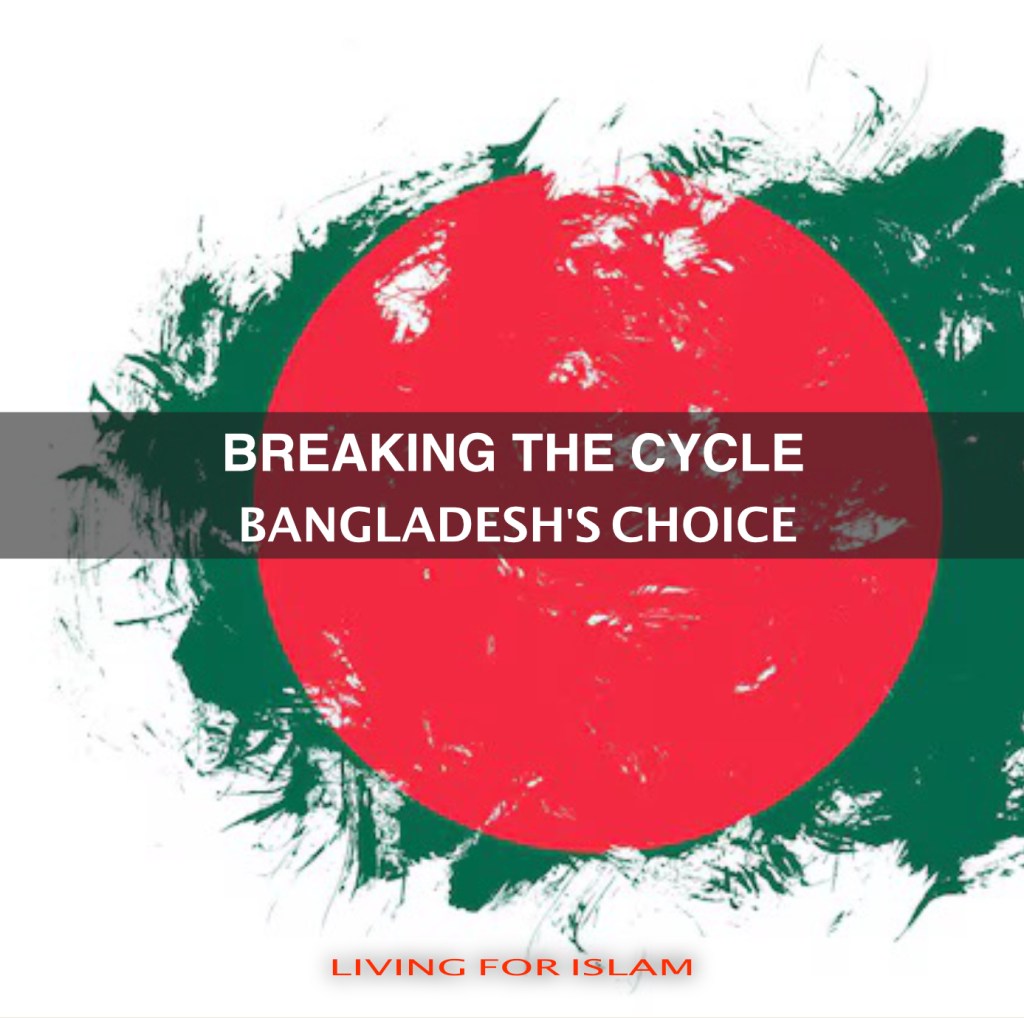
ON DECEMBER 16, 1971, one of the bloodiest civil wars of the 20th century, the Bangladesh Liberation War, ended. East Pakistan had finally broken free from the tyranny of West Pakistan.
For those who lived through it, the war was not just necessary; it was inevitable. East Pakistan was denied political representation despite being the majority. The 1970 Bhola cyclone killed half a million people, and the government’s inadequate response revealed the callousness of those in power. When the Awami League won a landslide election, it was ignored and annulled. The people’s anger boiled over, and the war’s atrocities only strengthened the belief that freedom was the only solution.
Yet the victory we fought for came with a bitter lesson: we only replaced one tyranny with another.
Fifty-two years, seven months, and two days later, we celebrated “Victory 2.0,” overthrowing Shaikh Hasina’s fifteen-year rule. The irony is stark. Her father, Shaikh Mujibur Rahman, the so-called “Father of the Nation”, was assassinated just four years after leading the country to independence, following his own authoritarian rule.
Hasina’s fifteen years of power saw the massacre of army officers and Islamic students, bans on Islamic organisations, the torture, disappearance, and extrajudicial killing of political opponents, vote rigging, student killings, rampant corruption, and the looting of national resources, all under the banner of secular democracy.
In the summer of 2024, hundreds of young people died on our streets for what we called Victory 2.0. But did we learn the critical lesson? Changing the faces of leadership is not enough. Without systemic change, today’s victors risk becoming tomorrow’s tyrants, and a new generation will be forced to pay with their lives for Victory 3.0.
The euphoria of Victory 2.0 has evaporated, replaced by frustration. Old problems persist because the system remains unchanged.
The obstacles are clear:
- The previous government controlled every state institution, including the army and police, leaving a legacy of entrenched officials who resist reform.
- External forces manipulate ethnic and religious divisions to destabilise the nation.
- The 1971 Bangladesh constitution, built on borrowed Western ideals of nationalism, socialism, democracy, and secularism, now blocks meaningful progress.
A constitution is meant to guide a nation. But when the system itself is flawed, it binds the people to failure. History shows that real transformation requires rewriting the rules entirely.
When the Messenger ﷺ established the Sahifah of Madinah, he created a new legal and political framework for society, Muslims and non-Muslims alike. That framework replaced all previous systems, with the Quran and Sunnah as the ultimate authority.
The question before Bangladesh is simple:
Do we continue down the path of secularism, a system rife with corruption, injustice, and foreign influence that brought us to the summer of 2024? Or do we embrace an Islamic system, rooted in our faith and history, that can deliver true justice, accountable governance, economic prosperity for all, security, healthcare and education, resistance to foreign interference, and a harmonious society?
The answer will determine whether our nation continues to repeat its mistakes or finally builds a future where justice, security and prosperity are not ideals, but realities.
 Living For Islam