
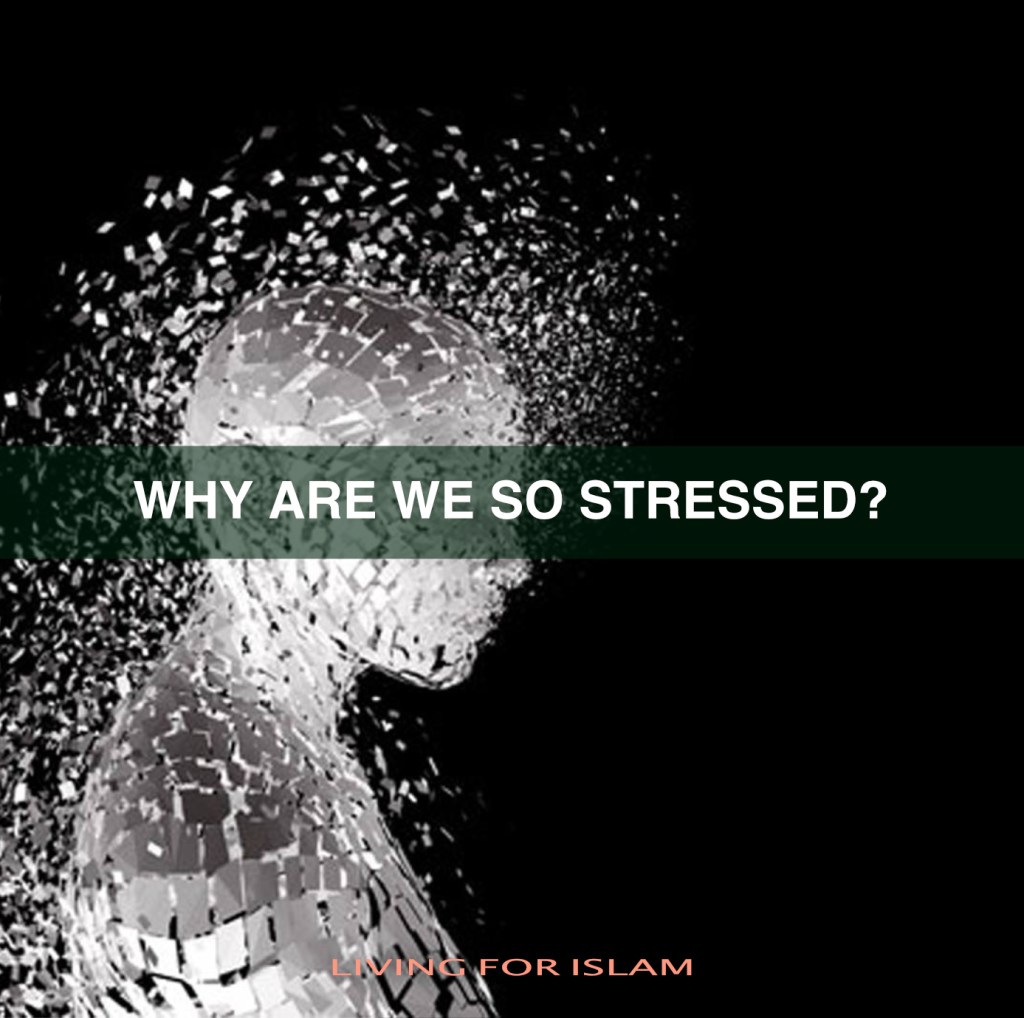
PEOPLE ARE STRESSED. We are anxious, overwhelmed, and exhausted. We are stressed by work and exams, by money and health, by marriage and children, by loss and uncertainty about the future. The list never ends.
But stress itself is not the real problem. The real problem is that we no longer understand who we are, why we are here, and what we are responsible for.
As a doctor, I see people at their most vulnerable. I see what lies beneath the surface. An outward smile often hides deep distress. Many people function, but very few are at peace.
And this is not surprising.
We live in a society that measures human worth by productivity, income, and status. A society that constantly tells you that you are not enough, that you need more, earn more, achieve more, experience more. This society promises happiness, yet delivers restlessness. People have more than any generation before them, yet anxiety, depression, and emptiness continue to rise.
This is the natural outcome of a life lived without a higher purpose.
Islam does not deny stress. But it explains it.
Allah tells us clearly:
ٱلَّذِينَ ءَامَنُوا۟ وَتَطْمَئِنُّ قُلُوبُهُم بِذِكْرِ ٱللَّهِ ۗ أَلَا بِذِكْرِ ٱللَّهِ تَطْمَئِنُّ ٱلْقُلُوبُ
Those who believe and whose hearts find comfort in the remembrance of Allah. Surely in the remembrance of Allah do hearts find comfort. (ar Ra’ad 28)
When hearts turn away from their Creator, they search for peace in places it was never meant to be found.
Muslims Are Not Immune
It would be easy to say this is only a non-Muslim problem. But that would be dishonest.
We see this stress increasingly in our own community. We have absorbed the values of a secular, materialistic society and quietly renamed them “success”. We chase grades, careers, houses, and lifestyles with the same anxiety as everyone else, sometimes more, while convincing ourselves that this is somehow Islamic.
We speak the language of iman, but we think with the mindset of dunya.
And then we wonder why we are not at peace.
Understanding What Your Responsibility Is, and What Is Not
A believer lives with clarity.
Islam teaches us that there are matters within our control and matters outside our control. This is the essence of qadar and tawakkul.
Our responsibility is effort and obedience. The outcome belongs to Allah.
This distinction alone removes a huge burden from the heart.
Consider how many young people are consumed by exam stress. Not just because of the workload, but because of what exams have come to represent: fear of disappointing parents, fear of losing status, fear of an uncertain future.
But a believer understands something fundamentally different.
Success and failure are not defined by grades. They are defined by obedience to Allah. You are accountable for your effort, not the result.
The Prophet ﷺ taught us to tie the camel and trust in Allah. That means working diligently, organising our time, and striving with excellence, but then releasing the outcome to the One who controls it.
If Allah decrees something that does not go as planned, it is not a mistake. It may be a protection, a redirection, or a mercy that only becomes clear later, or in the next life.
When this belief is real, not theoretical, anxiety loses much of its power.
Protecting the Heart in a World That Constantly Attacks It
Islam not only teaches belief, but it also teaches discipline.
Our body is an amanah. Our time is an amanah. Our heart is an amanah.
Yet many of us live in ways that actively fuel stress:
- We sleep late and wake exhausted
- We overeat and under-move
- We scroll endlessly, comparing our lives to curated illusions
- We fill every silence with noise
This is not neutral behaviour. It has spiritual consequences.
Comparison is particularly destructive. Constant exposure to what others have, bigger houses, better holidays, private schools, quietly poisons gratitude.
The Prophet ﷺ gave a simple rule: “Look at those below you and not those above you, for that is more likely to prevent you from belittling the blessings of Allah upon you.” (Muslim)
Sometimes the most Islamic act of self-care is not learning something new, but removing what is harming your heart.
Growth That Actually Matters
Life will always bring new challenges. If we are facing new problems with old tools, stress is inevitable.
Islam encourages growth, but not growth defined by status or income.
True self-development isn’t just about growing for growth’s sake; it’s about taking action to achieve a goal. It’s about having a vision and wanting to serve a cause bigger than ourselves. The foundation lies in deepening our understanding of our faith, so we can grasp the meaning of life and acquire the tools needed to pursue that vision.
This could involve changing how we view our deen, gaining useful skills to lessen dependence and loneliness, and helping the community without seeking praise. In the end, the most important mission is to serve Allah.
This kind of growth builds self-worth, not ego. It anchors a person in something bigger than their immediate worries.
When life has meaning, small problems shrink. When life lacks meaning, small problems become unbearable.
Freedom Is Not Doing Whatever You Want
We are told that we are free. But in reality, many of us are enslaved to expectations, to approval, to wealth, to fear of falling behind.
Islam does not offer freedom from responsibility. It offers freedom from false masters.
True freedom is knowing who you serve, what you are accountable for and what you can safely leave with Allah.
Peace does not come from controlling everything. It comes from submitting to the One who already does.
If we want relief from stress, we do not need a new philosophy. We need to return, sincerely and consciously, to what we already believe.
And Allah knows best.
 Living For Islam