

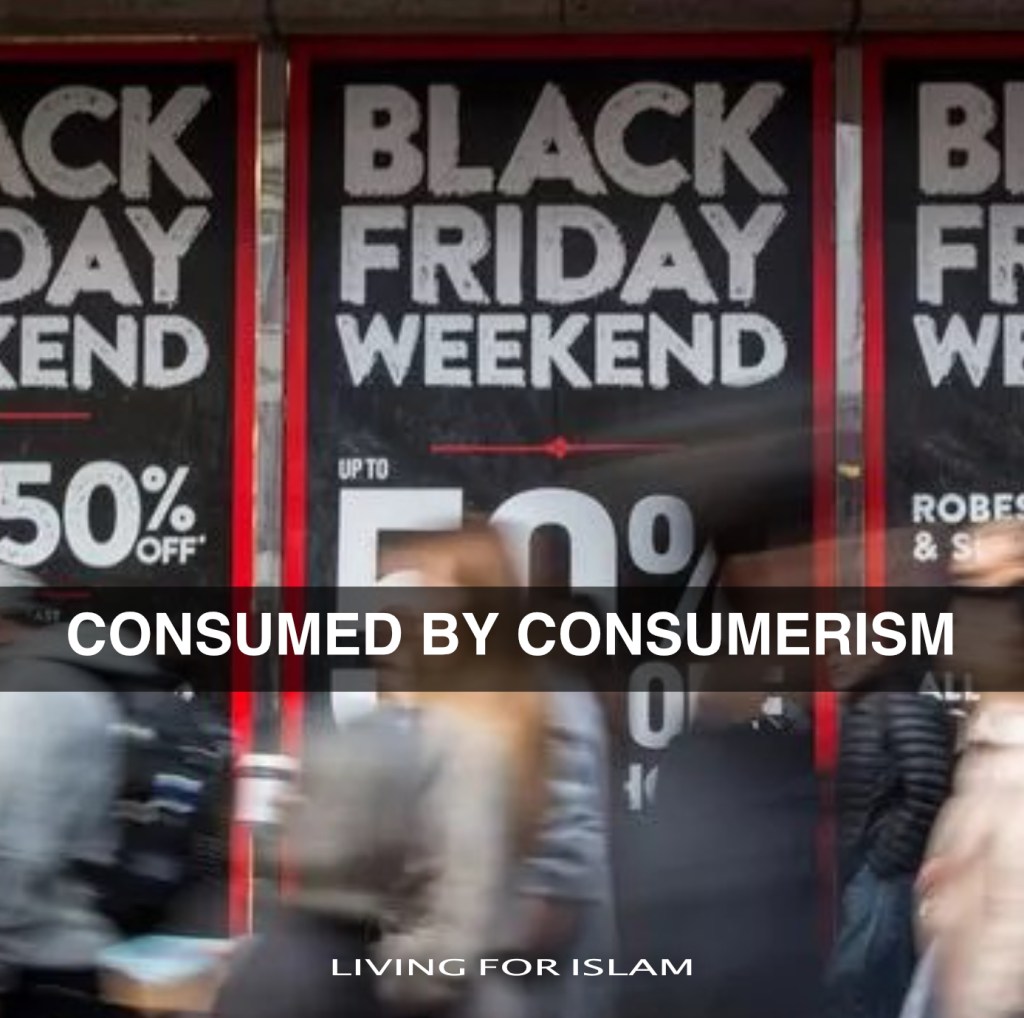
BLACK FRIDAY, CYBER Monday, mid-season discounts, Christmas, Valentine’s Day, Easter, Mother’s Day, Father’s Day, summer sales, Halloween; the calendar is now filled with an ever-growing cycle of promotions, each urging us to spend. And spend we do.
This raises two important questions:
Why are we buying things we don’t need?
And why are we buying them with money we don’t have?
1. Buying Things We Don’t Need
On the surface, it seems completely irrational. Why purchase something, no matter how cheap, when we have no real use for it or when what we own works perfectly well?
Yet millions do so every year. And this behaviour is not accidental.
Capitalist thinking ties a country’s prosperity to the success of its businesses. As a result, entire systems exist to encourage consumption: tax incentives for corporations, marketing that makes us feel our things are outdated, and products deliberately designed with short lifespans (planned obsolescence). The message is clear: produce more, consume more, repeat.
But there is a deeper dimension.
When belief in Allah is absent from society, people naturally seek fulfilment in the material world. Without a Creator who gives meaning and purpose to life, possessions become the substitute source of happiness. Yet material happiness is fleeting. The pleasure of a new purchase fades quickly, pushing people into a constant pursuit of the next thing, the next experience, the next distraction.
The result is a society preoccupied with what it lacks rather than what it has. The spiritual emptiness left by distancing ourselves from Allah becomes filled with relentless consumerism, something companies exploit with precision.
This consumerist culture carries significant consequences. The environmental crisis unfolding around us, resource depletion, pollution, mountains of waste, can be traced back to an ideology of perpetual production and endless consumption. Capitalism depends on growth, even when the planet cannot sustain it.
2. Buying Things With Money We Don’t Have
If people cannot afford what they purchase, how do they pay for it?
The answer is plastered across every advert: Buy now, pay later.
Society has normalised borrowing for non-essential consumption. Instant gratification is prioritised over long-term financial stability.
This too seems irrational. Why would anyone choose debt for things they can’t afford? Part of it is the natural human pleasure of acquiring something new, but another powerful factor is social comparison. In a system defined by competition, success is measured not just by what you own, but by how your possessions compare to others’.
Debt has therefore become a tool not only of consumption but of social performance.
However, there is a harsh reality behind the façade. Loans must eventually be repaid. When the debt cycle tightens, its effects ripple across individuals, families, and entire societies: anxiety and depression, family conflicts and divorce, bankruptcy and homelessness, business failures and unemployment and economic recessions.
Debt has become a modern form of slavery, trapping people in a constant struggle to keep up with repayments. Yet the entire system rests on it. Without debt, consumer markets would collapse.
The Islamic Perspective
Islam offers a radically different worldview, one that restores balance by redefining purpose.
ٱعْلَمُوٓا۟ أَنَّمَا ٱلْحَيَوٰةُ ٱلدُّنْيَا لَعِبٌۭ وَلَهْوٌۭ وَزِينَةٌۭ وَتَفَاخُرٌۢ بَيْنَكُمْ وَتَكَاثُرٌۭ فِى ٱلْأَمْوَٰلِ وَٱلْأَوْلَـٰدِ ۖ
Know that the life of this world is but amusement and diversion and adornment and boasting to one another, and competition in increase of wealth and children…” (al-Ḥadīd 20)
In Islam, life is not about accumulating wealth or owning the latest products. Our purpose is the worship of Allah in its ever-comprehensive form. Through His guidance, every aspect of life: work, study, worship, family, and society, is given its proper place and weight.
Islam is not opposed to wealth. Rizq comes from Allah, and He grants it in different measures to different people. Many of the Sahaba were immensely wealthy, while others had little. But what unified them was that wealth never dominated their hearts. Their happiness did not depend on possessions, rather they used their wealth to further the cause of Allah.
Islam regulates how wealth is earned, spent, and shared.
It considers debt a very serious matter, and the Prophet ﷺ frequently sought refuge from it in his du’a.
Conclusion
The ever-intensifying cycle of consumerism is not simply a matter of personal choice, it is rooted in an economic ideology that thrives on constant purchasing, even at the cost of personal wellbeing and environmental destruction.
Islam provides a balanced alternative: enjoy the blessings of this world without becoming enslaved by them, and treat wealth as a means rather than an end. True contentment lies not in what we accumulate, but in our relationship with Allah and the purposeful life that flows from it.
وَٱبْتَغِ فِيمَآ ءَاتَىٰكَ ٱللَّهُ ٱلدَّارَ ٱلْـَٔاخِرَةَ ۖ وَلَا تَنسَ نَصِيبَكَ مِنَ ٱلدُّنْيَا ۖ وَأَحْسِن كَمَآ أَحْسَنَ ٱللَّهُ إِلَيْكَ ۖ وَلَا تَبْغِ ٱلْفَسَادَ فِى ٱلْأَرْضِ ۖ إِنَّ ٱللَّهَ لَا يُحِبُّ ٱلْمُفْسِدِينَ
Seek, with what Allah has given you, the home of the Hereafter, and do not forget your share of lawful enjoyment in this world. Do good as Allah has done good to you, and do not seek corruption in the land. (al-Qaṣaṣ 77)
 Living For Islam
One thought on “Consumed by Consumerism: Buying Things We Don’t Need With Money We Don’t Have”