
WITH MY OLDER son at university and my youngest too young to talk, my daughter gets my full attention during the forty-minute school runs, twice a day. These drives are our special time, where conversations flow unexpectedly. Sometimes she talks, sometimes I do, but more often, we just share our thoughts together.
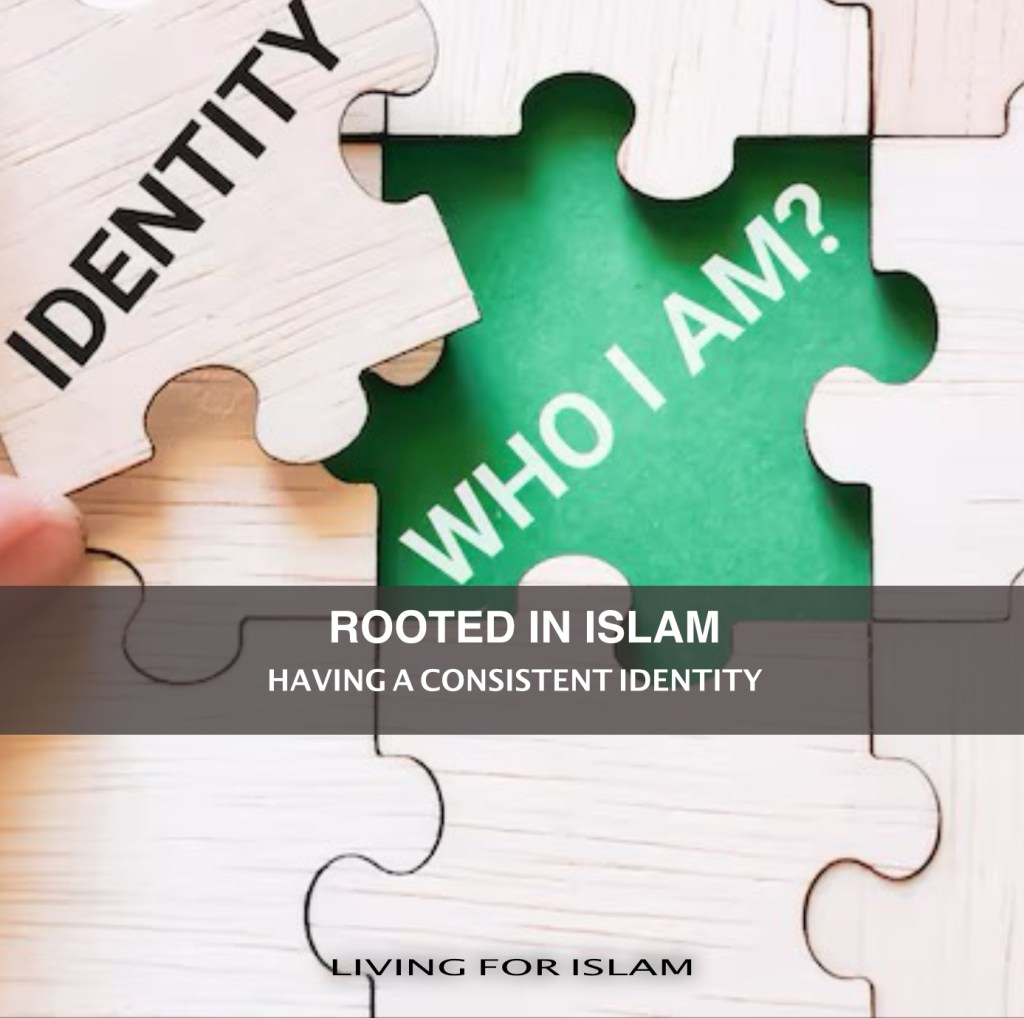
Lately, I’ve noticed how confusing the world can be for our young people. At home, they deal with their family’s culture; outside, they face the dominant Western culture; and on top of that, there’s the Islamic culture many parents want to share. Add in social media, with influencers showing how to act, dress, and live, and it’s clear why finding their identity can feel like a puzzle with missing pieces.
Curious, I asked my daughter what she thought. She paused, then said something simple yet profound: “If you are confident in who you are, it doesn’t matter where you are or who you’re with. The way you speak might change, but the ideas and values you hold onto stay the same.”
Her words made me think. We take on many roles (social identities): parent, child, spouse, friend, student, worker, etc, but these are just surface levels that change with circumstances. She reminded me that identity is what lies beneath: our core values, beliefs, and character.
As Muslims, that core comes from Islam, which influences how we live every day. For example, Islam encourages honesty.
يَـٰٓأَيُّهَا ٱلَّذِينَ ءَامَنُوا۟ ٱتَّقُوا۟ ٱللَّهَ وَكُونُوا۟ مَعَ ٱلصَّـٰدِقِينَ
O believers! Be mindful of Allah and be with the truthful. (at Tawbah 119)
Truthfulness should be clear in every part of life: at work, at home, in the marketplace, and at the masjid, etc. We shouldn’t behave one way at work, competing ruthlessly or inflating our achievements, and another way at the masjid, where a different behaviour is expected.
When our identity is firmly based on Islamic values, life becomes coherent. We don’t have to be different people in various situations. We have confidence, consistency, and a unique peace that remains steady despite external influences.
Those quick school-run chats reminded us that identity is more than just roles or others’ expectations. It’s about discovering our true selves by embracing our Islamic identity and letting it guide us. To do this, we must learn about our deen and be around people who support our growth and maintain that identity.
 Living For Islam
One thought on “Rooted in Islam: Having a Consistent Identity”