
SOME PEOPLE ARE blessed with fast metabolisms; they seem to be able to eat whatever they want freely without gaining weight.
I’m not one of them.
As I’ve gotten older and noticed the pounds creeping on, I’ve become more aware of the importance of looking after my health. While gym routines and intense workouts sound great in theory, they are often unrealistic for many of us juggling busy lives.
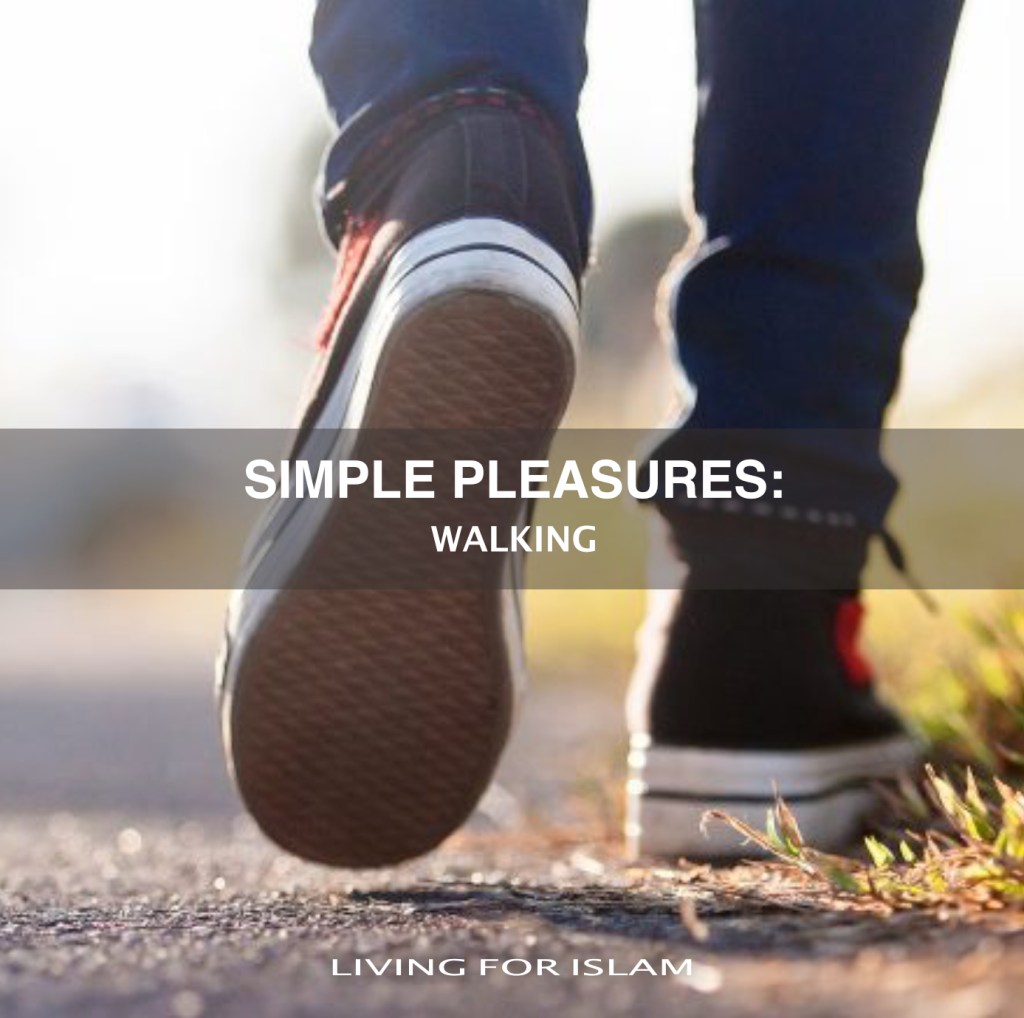
Fortunately, research points to a simpler and more sustainable habit: walking.
In 2015, the Academy of Medical Royal Colleges published a landmark report, Exercise: The Miracle Cure, which described physical activity, especially walking, as the most effective, sustainable, and accessible form of exercise for the general population. Walking benefits heart health, metabolism, bone strength, muscle tone, cognitive function, and plays a major role in preventing and managing chronic diseases.
There’s an ongoing discussion about whether step count or duration matters more. The current consensus is that both have value, and ultimately, every step counts. While the 10,000-step goal is widely known, aiming for 30 minutes of brisk walking daily may be a more realistic target. “Brisk” means walking fast enough to increase your breathing, but still being able to hold a conversation.
And if 30 minutes feels difficult, remember it doesn’t have to happen all at once. Small actions, like taking the stairs or getting off the bus a stop early, add up quickly. The key is simply to move more.
What’s remarkable is that this encouragement to walk isn’t just a modern health tip; it’s deeply rooted in our Islamic tradition.
Walking to the masjid, for instance, is not only encouraged but highly rewarded in the teachings of the Prophet ﷺ. Imam Nawawi even includes a dedicated section in Riyadh as-Saliheen on ‘The Excellence of Proceeding towards the Mosque Walking’.
Here are just a few authentic narrations:
Each step holds spiritual reward: “Whoever purifies himself at home, then walks to a masjid to perform an obligatory prayer, each step erases a sin and raises a rank.” (Muslim)
Greater distance brings greater reward: A man who lived far from the mosque was advised to move closer. He declined, hoping his many steps would earn more reward. The Prophet ﷺ affirmed: “Allah has recorded all of that for you.” (Muslim)
Similarly, when the tribe of Banu Salimah planned to relocate nearer to the masjid, the Prophet ﷺ said: “Stay in your homes; your footsteps are being written down.” (Muslim)
Reward is tied to effort: “The people with the greatest reward for prayer are those who walk the farthest to the mosque.” (Bukhari)
A promise of light for those who walk to the masjid at night: “Give glad tidings to those who walk to the mosque in the darkness: they will be given complete light on the Day of Judgment.” (Tirmidhi)
We also find that the Prophet ﷺ himself walked with energy and intent: “When he walked, he walked briskly, as if descending from a height.” (Tirmidhi)
So we see this encouragement to regular, brisk walking throughout the day, giving our bodies the consistent movement they need, as well as becoming a form of dhikr.
So whether you’re walking for your health, your deen, or ideally both, remember: consistent, purposeful movement matters.
Start where you are. Involve your children and families. Every step counts, in this world and the next.
 Living For Islam