

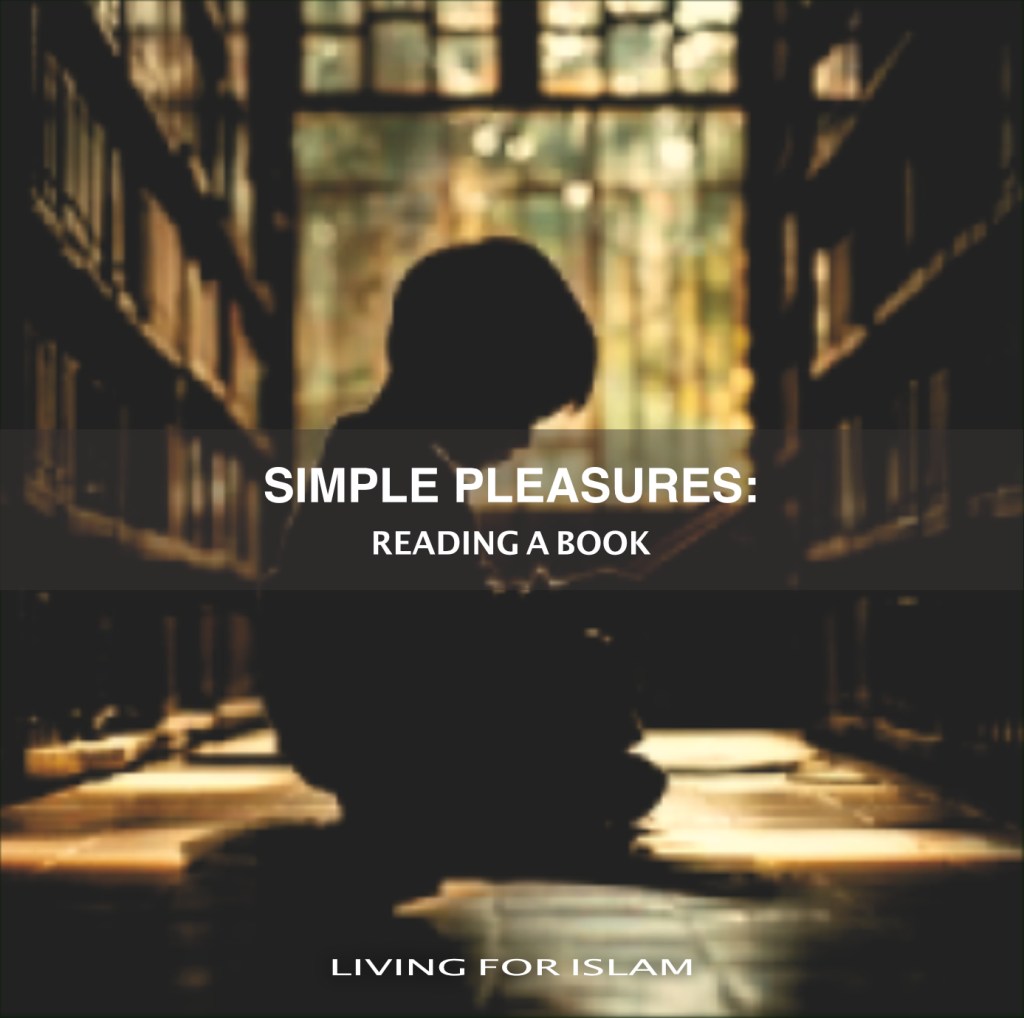
AS PARENTS TODAY, we all know one thing for sure: we can’t escape the internet. It’s everywhere, deeply embedded in how we work, learn, and connect. That ship has long sailed. But while we can’t remove it from our lives entirely, we can choose how we engage with it, and how much space we allow it to occupy in our homes and in the lives of our children.
The internet offers many benefits—quick access to information, educational resources, and Islamic content. But it also brings real challenges. There’s information overload, constant distractions, and so much content that offers little benefit or even harm. For children, it’s especially easy to get pulled into endless scrolling, short attention spans, and dependency on screens for entertainment.
Islam teaches us the value of time and the importance of using it wisely. The Prophet ﷺ said: “There are two blessings which many people waste: health and free time.” (Bukhari)
This reminder is especially important in an age where so much time slips away behind screens. As parents, we need to ask: what habits are we building in our children? What kind of relationship with knowledge, reflection, and stillness are we nurturing?
That’s why there’s something special about physical books. Not only do they help children focus better and retain information more deeply, but they also create a calmer, more grounded environment. Studies back this up: reading from paper improves comprehension and reduces distractions. But beyond that, there’s a kind of barakah in sitting quietly with a book, turning the pages, and slowing down in a world that constantly rushes us.
Allah’s very first command to the Prophet ﷺ was:
ٱقْرَأْ بِٱسْمِ رَبِّكَ ٱلَّذِى خَلَقَ
Read, (O Prophet) in the Name of your Lord Who created (al Alaq 1)
This wasn’t just about reading for the sake of it. It was a command to seek knowledge with purpose, rooted in the remembrance of Allah. As parents, this ayah is a powerful reminder that education in Islam begins not just with reading, but reading with intention, humility, and connection to our Creator.
That’s why I still take my children to the library. The moment we walk in, something shifts. The noise of the world fades. The quiet invites us to slow down. The shelves of books encourage exploration but in a peaceful, unrushed way. There is space for human interaction. It’s an environment that naturally nurtures reflection, curiosity, and learning.
Our Islamic tradition is rich with scholars who loved books, who would spend hours, days, even years in study. Their lives were built around knowledge that benefits, not just information for information’s sake. That’s the legacy we want to pass on to our children: a love of learning that draws them closer to Allah.
This doesn’t mean we reject the digital world completely. It can be an incredible tool if used with intention. We can use it to access the Qur’an, beneficial lectures, Islamic stories, and more. But we must also set boundaries and be mindful of the content we and our children consume.
Let’s teach our children this principle, not just in words, but in how we live. Let’s create homes where beneficial knowledge is loved, where screens are balanced with real books, where quiet moments are protected, and where the heart has space to reflect.
May Allah guide us as parents, help us raise children who are grounded, thoughtful, and connected to Him—and may He bless our homes with light, learning, and barakah.
 Living For Islam