
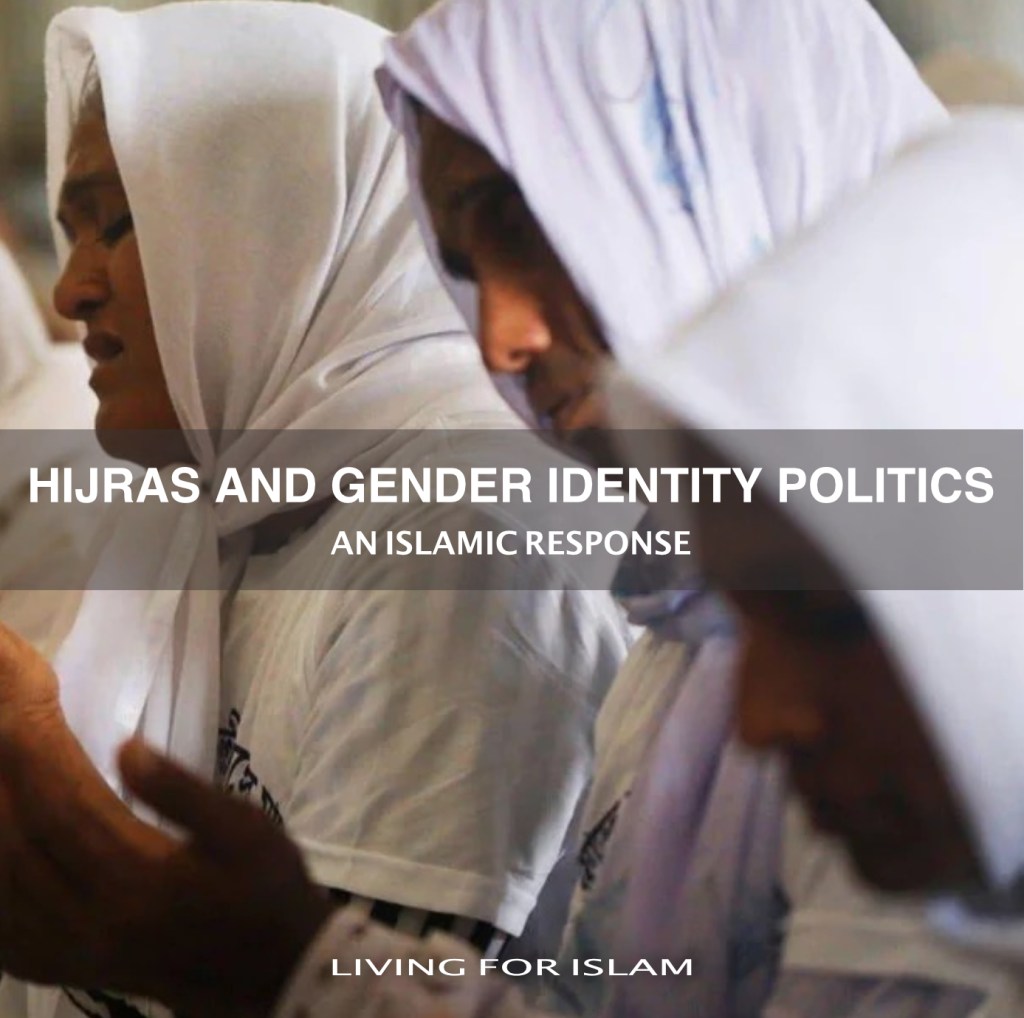
THIS YEAR IN Dhaka, I saw something more noticeable than before. Whenever we stopped at a traffic light, someone would tap on the car window asking for money. These individuals appeared physically male but were dressed in saris, with bindis on their foreheads—clearly identifying themselves as women.
Who Are the Hijras?
The term Hijra refers to a community that includes transgender women, intersex individuals, and others who do not conform to the conventional binary of male and female. They often form structured social groups with hierarchies, rituals, and mentorship systems.
In Bangladesh, the government officially recognised Hijras as a “third gender” in 2013. A 2014 gazette notification allowed them to register as such on official documents like ID cards and voter rolls. However, this legal recognition has not translated into full civil rights—property rights, marriage rights, and access to state services remain ambiguous or contested.
Despite official recognition, Hijras remain marginalised and face significant social and institutional discrimination:
- Education: Many are forced out of school due to bullying or exclusion. Even those who attend report hostile environments.
- Employment: Formal job opportunities are scarce, pushing many into begging, ceremonial performances, or sex work.
- Healthcare: Government facilities often fail to provide adequate care. Discrimination, lack of infrastructure, and verbal abuse deter many from seeking medical help.
- Social Exclusion: They are frequently ostracised from social, religious, and family events.
That said, change is visible:
- A mosque for the third gender (Dakshin Char Kalibari Masjid) was established on government-donated land.
- Some Hijras have participated in local elections.
- Western NGOs are actively working to secure their rights in health, education, and legal aid.
Why Did Bangladesh Recognise the Third Gender?
The 2013 recognition of Hijras was not an isolated domestic decision. It was shaped by regional and international dynamics:
- International Influence: Bangladesh is a signatory to various human rights treaties (e.g., ICCPR, CEDAW), and international organisations increasingly demand the inclusion of marginalised communities.
- Regional Context: Nepal recognised a third gender in 2007, and India’s Supreme Court was deliberating on similar issues around 2013–2014. Bangladesh may have acted to stay in step with regional developments.
- Local Advocacy: The Hijra community became more organised and vocal, aided by NGOs and civil society groups that amplified their demands.
Understanding Genderism: A Western Perspective
In recent decades, Western societies have redefined gender through the lens of genderism, a concept that views gender as a social and cultural construct, not strictly tied to biology. This shift emerged largely from second-wave feminism, which challenged biological determinism and sought to dismantle oppressive gender roles.
Simone de Beauvoir famously wrote: “One is not born, but rather becomes, a woman.” Under genderism, gender identity is determined by self-perception, not anatomy. A person may identify as male, female, both, or neither, regardless of biological sex.
This ideology later extended beyond women’s rights to encompass LGBTQ+ rights. Genderism underpins much of the contemporary support for transgender identities and medical transitions (hormone therapy, surgery, etc.) in the West.
Islamic Perspective on Gender and Gender Roles
Islam maintains a fundamentally different view. In Islamic teachings:
وَلَيْسَالذَّكَرُكَالْأُنثَىٰ
And the male is not like the female. (Aale Imran 36)
Islam recognises only two genders, male and female, determined by biological characteristics at birth. Gender is not assigned through personal perception but is defined by Allah’s creation.
There is, however, a nuanced category in Islamic jurisprudence: Khuntha (خُنْثَى), or those born with ambiguous sexual characteristics.
The classical jurist Ibn Qudamah said in his book Al-Mughni, regarding the ambiguous: “It is not excluded from being male or female. Allah said:
وَأَنَّهُ خَلَقَ الزَّوْجَيْنِ الذَّكَرَ وَالأُنْثَى
And He created the spouses, males and females (an-Najm 45).
And He said:
وَبَثَّ مِنْهُمَا رِجَالا كَثِيرًا وَنِسَاءً
and through both He spread countless men and women. (an-Nisaa 1)
And so there is no third creation.
In these rare cases of genital ambiguity (intersex), careful medical and scholarly assessments are used to determine the dominant biological traits. Once gender is identified, all gender specific rulings apply accordingly, and the individual is fully accepted and integrated into society.
Effeminate Men and Masculine Women
Islam forbids men from intentionally adopting the attributes of women, and vice versa. The Messenger ﷺ said: “Allah curses men who imitate women and women who imitate men.” (Bukhari)
This includes behaviour, dress, and mannerisms. These rulings are meant to preserve the natural roles and responsibilities that contribute to societal balance and the strength of the family unit.
Islam’s Ruling on Transgenderism and Gender Transition
Islam does not accept gender transition as defined by self-perception or medical alteration. Changing one’s gender from male to female (or vice versa) through surgery or hormone therapy is seen as tahreef khalq Allah—altering the creation of Allah. Allah describes Shaytan’s intention:
وَلَـَٔامُرَنَّهُمْ فَلَيُغَيِّرُنَّ خَلْقَ ٱللَّهِ
..I will command them and they will change the creation of Allah… (an-Nisaa 119)
For those who have transitioned, the individual retains their original rulings under Shariah, including those relating to marriage, prayer, and inheritance.
A Clash of Worldviews
The Islamic view is rooted in divine revelation and biological reality. In contrast, Western gender ideology emphasises personal autonomy, fluidity, and individual rights. This philosophical divergence reflects deeper differences in how society, identity, and morality are conceptualised.
A Cultural Offensive Against the Muslim World?
The spread of genderism in Muslim societies is not neutral. It is promoted through NGOs, education programs, media campaigns, and political pressure backed by Western governments and institutions like the UN and enacted through the willing subservience of our rulers.
Having witnessed the erosion of the family unit and social cohesion in their own societies, Western powers now seek to export these ideologies under the banner of “human rights.” The Hijra community could easily have been integrated into Muslim society according to Shariah. Rather, their marginalisation has opened a road by which the West is attempting to undermine Islamic values and prevent the revival of a strong, unified Muslim Ummah.
Conclusion: Responding with Clarity and Confidence
As Muslims, our response must be twofold:
- Cultivate a deep understanding of Islamic teachings on gender, society, and human dignity.
- Work for revival, including the re-establishment of the Khilafah—a political authority that upholds Islamic law and protects the moral, social, and economic fabric of Muslim societies.
Islam offers a coherent, dignified, and divine alternative to the confusion and fragmentation seen in much of the modern world. It is this clarity and stability that we must hold onto, defend, and present as a light to others.
 Living For Islam