

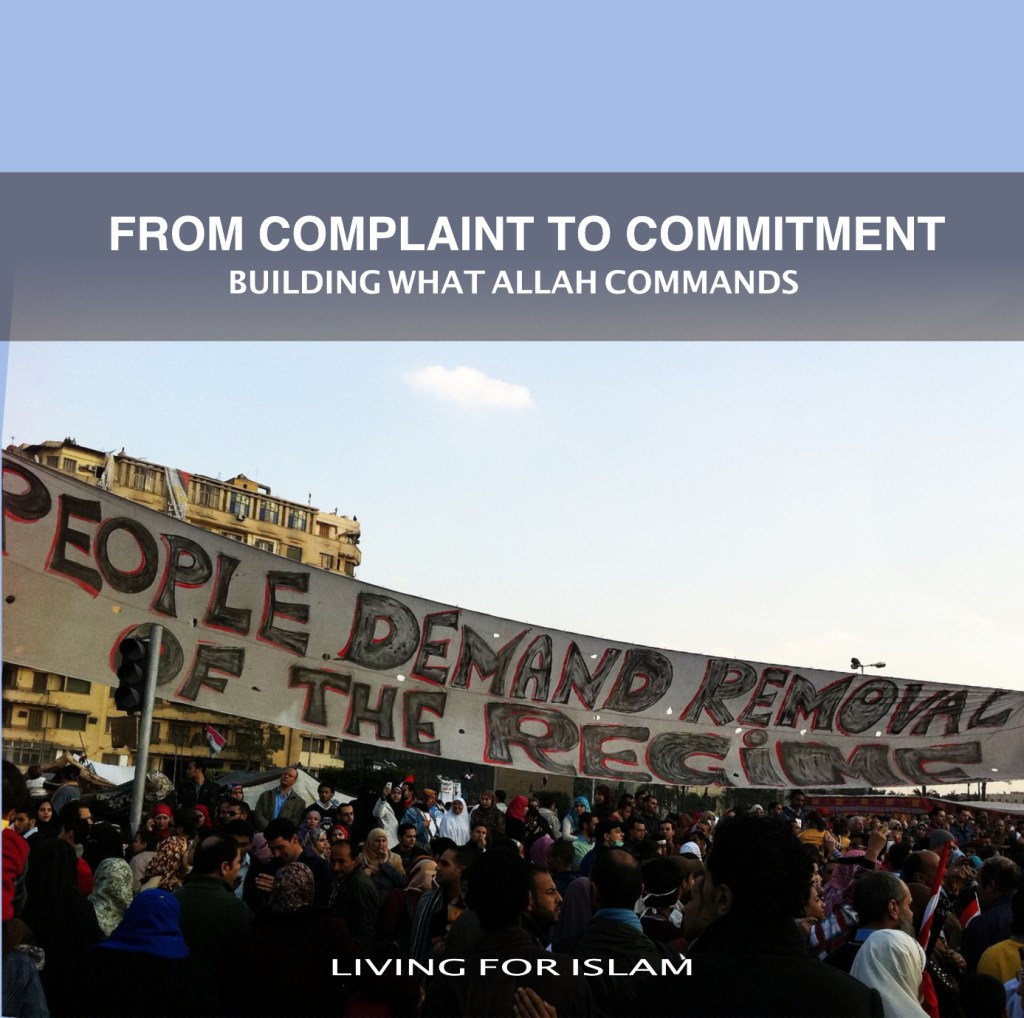
SOME IN OUR community express that we were better off under the iron fists of rulers like Saddam, Gaddafi, and Mubarak than under those who have replaced them since the Arab Spring.
As they watch, helplessly, the unimaginable horror unfold in Gaza they ask: Surely, the old guard would not have stood by silently in the face of such brutality?
There is a disillusionment of what has become of the Arab Spring. What began as a cry for justice—a revolt against tyranny, corruption, and betrayal—has, in many cases, resulted in regimes that are worse than those they replaced. Today’s leaders seem to be more silent, more submissive, and more distant from the suffering of their people. They have normalized relations with occupiers, abandoned the oppressed, and severed their ties with the ummah.
But here lies a deeper problem.
This thinking—“perhaps the previous tyrants were better”—rests on a dangerous idea: choosing the lesser of two evils. When we compare evil with evil, we lower the bar of what is acceptable. We enter a cycle of hopeless compromise, lowering the bar each time so that injustice becomes normalized, and true justice becomes a fantasy.
We must break free from this.
Our loyalty is not to personalities. It is to principles. We need a clear and uncompromising standard—the standard set by Allah and His Messenger ﷺ. Leadership must be measured against truth, justice, and the legacy of the Khilafah—the prophetic model of governance upheld by the sahabah. Without this system, no ruler—past or present—can deliver true justice.
This mentality also leads to another danger: complacency. We become spectators, lamenting the current state of affairs without taking any real steps to change it. True change, however, does not come from complaints—it comes through struggle, sacrifice, and action. The journey to justice is not comfortable. It is not immediate. It is not easy. Each of us has a role to play.
This reminds us of the story of Bani Israel in the time of Musa (as).
When Pharaoh’s oppression worsened after Musa’s call to truth, his people cried out:
قَالُوٓا۟ أُوذِينَا مِن قَبْلِ أَن تَأْتِيَنَا وَمِنۢ بَعْدِ مَا جِئْتَنَا ۚ قَالَ عَسَىٰ رَبُّكُمْ أَن يُهْلِكَ عَدُوَّكُمْ وَيَسْتَخْلِفَكُمْ فِى ٱلْأَرْضِ فَيَنظُرَ كَيْفَ تَعْمَلُونَ
“We were oppressed before you came to us—and now we are still oppressed!” Musa responded: “Perhaps your Lord will destroy your enemy and make you successors in the land—to see what you will do.” (al-A’raf 7:129)
They expected an overnight transformation simply because a Prophet was among them. They did not realize that real change often requires enduring even greater trials before relief arrives. Authority is from Allah—it is a trust and a test. The one who holds it is judged by whether they serve Allah or serve something else.
Despite witnessing the parting of the sea and Pharaoh’s destruction, Bani Israel longed for the comforts of the past:
وَإِذْ قُلْتُمْ يَـٰمُوسَىٰ لَن نَّصْبِرَ عَلَىٰ طَعَامٍۢ وَٰحِدٍۢ فَٱدْعُ لَنَا رَبَّكَ يُخْرِجْ لَنَا مِمَّا تُنۢبِتُ ٱلْأَرْضُ مِنۢ بَقْلِهَا وَقِثَّآئِهَا وَفُومِهَا وَعَدَسِهَا وَبَصَلِهَا ۖ قَالَ أَتَسْتَبْدِلُونَ ٱلَّذِى هُوَ أَدْنَىٰ بِٱلَّذِى هُوَ خَيْرٌ
“O Musa! We cannot bear the same food every day. Call upon your Lord to bring us the herbs, lentils, onions we once knew…”Musa rebuked them: “Would you trade what is better for what is worse?” (al-Baqarah 2:61)
Years of enslavement had conditioned their minds. They could not see beyond what they were used to. They viewed the necessary hardship of transformation as unbearable, preferring familiar oppression to uncertain freedom.
This mindset leads to stubbornness and resistance to change. Later, when they were commanded to enter the city, they refused:
قَالُوا۟ يَـٰمُوسَىٰٓ إِنَّا لَن نَّدْخُلَهَآ أَبَدًۭا مَّا دَامُوا۟ فِيهَا ۖ فَٱذْهَبْ أَنتَ وَرَبُّكَ فَقَـٰتِلَآ إِنَّا هَـٰهُنَا قَـٰعِدُونَ
“O Musa! We will never enter while they are there. You and your Lord go fight—we’ll stay right here.” (al-Ma’idah 5:24)
This is what happens when people lose their will. When they’d rather sit and wait than rise and strive.
Transformation isn’t about the lesser of two evils. It’s about the command of Allah.
We’ve lost our sense of what righteous leadership looks like and forgotten the system in which it resides. We’ve allowed secularism to invade our minds and define our limits. We’ve stopped thinking in terms of what Allah requires and settled for what the world permits.
We must not be people who tolerate injustice. Instead, we must be active and patient, striving for meaningful change grounded in Islamic principles. When the people said: ‘Ash-shab yurid isqat an-nizam, the people want to bring down the regime,’ it is not just changing for change’s sake but change to what Allah wants. This applied then in the Arab Spring and to more recent uprisings such as the one in Bangladesh last year.
To end, there’s a powerful lesson in the story of a man who once complained to Ali (ra) during his khilafah, saying: “Things were better during the time of Abu Bakr, Umar, and Uthman. Look at how things are now.” Ali (ra) responded: “Yes because they had people like me—and now I have people like you.”
 Living For Islam