
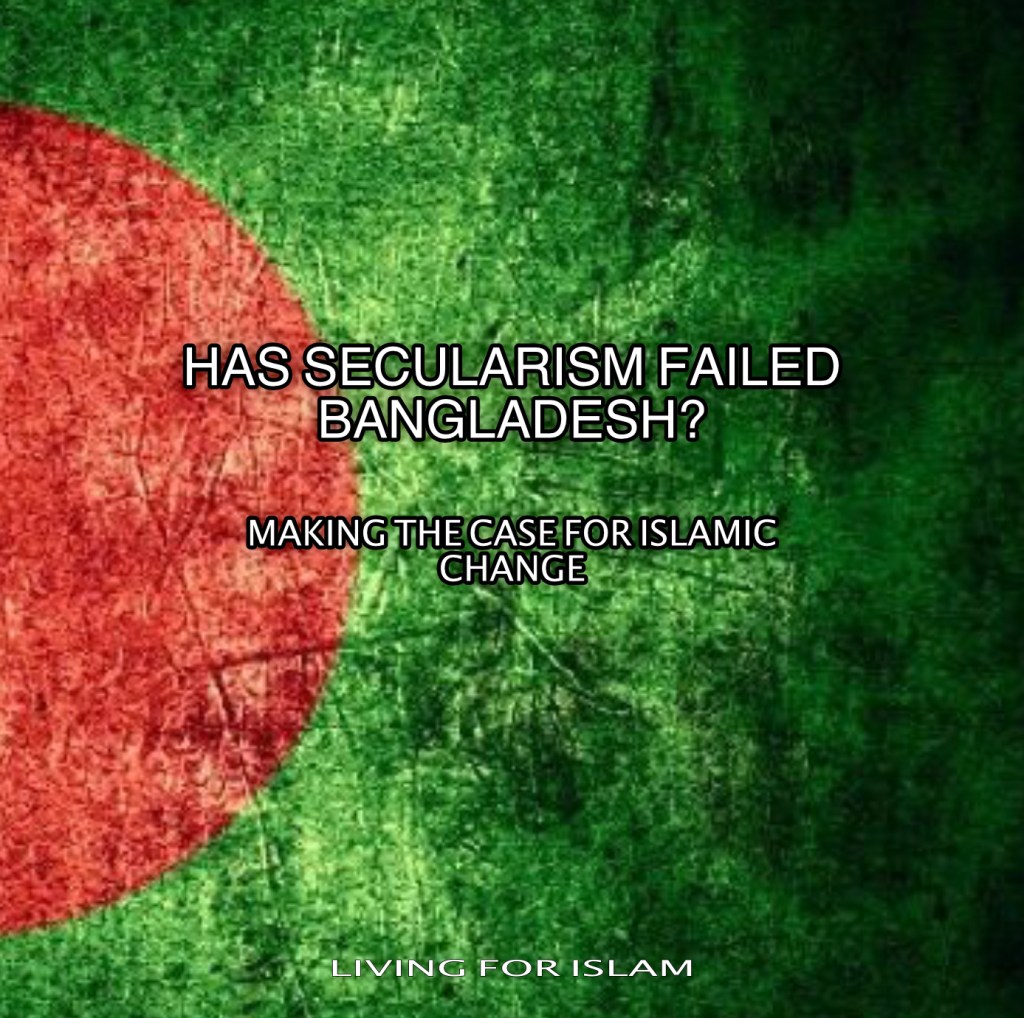
ON THE 16TH of December 1971, one of the bloodiest civil wars of the 20th century, the Bangladesh Liberation War between East and West Pakistan came to an end.
Many of that generation argue that it was a necessary war to be free of the injustice of the West Pakistan regime. They cite issues such as East Pakistan’s underrepresentation in government despite being the majority, the inadequate humanitarian response to the 1970 Bhola cyclone that killed half a million people in Bengal, and the annulment of Awami League’s subsequent landslide election victory. All that triggered resentment amongst the people and the atrocities committed in the war only hardened their views.
But as time has shown, all we did was replace the tyranny of one group of people we thought were different from us with the tyranny of another group we considered our own.
52 years, 7 months, and 2 days later, the people celebrated victory over Shaikh Hasina’s 15-year rule of tyranny (it is ironic that her father, Shaikh Mujib, the ‘Father of the Nation’, was assassinated just 4 years after leading the country to freedom in 1975, following his own authoritarian rule).
15 years in which we saw the massacre of army officers, the massacre of Islamic students, the banning of Islamic groups, the disappearance, torture and extrajudicial killing of political opponents, vote rigging, the killing of university students by the pro-Hasina student wings, rampant corruption, the looting of the countries resources by Hasina’s family and ministers… the list goes on. All under the guise of secular democracy.
This summer hundreds of youth died on our streets for Victory 2.0.
But did we learn that it isn’t the faces that need to change but the system. Without changing the system, what is to stop today’s victorious from becoming tomorrow’s tyrants and tomorrow’s youth needing to die once again to attain victory 3.0?
4 months post Victory 2.0, we are stuck. Frustration is replacing the initial euphoria. Because we didn’t change the secular system, we see the issues that held us back before, holding us back now.
Part of the problem is that the previous Awami League government controlled all state institutions, including the army and police. This makes it difficult to start over since those structures still have members of the old guard who resist and sabotage any real change.
Part of the problem is outside interference from countries trying to create ethnic and religious tensions with false propaganda.
Part of the problem is the Bangladesh constitution. Created in 1971 with borrowed Western ideas of nationalism, socialism, democracy, and secularism, it stands as an obstacle to change.
This is not surprising. A constitution connects the people and the state, guiding the nation in a specific direction while preventing major changes from happening.
That is why in world history, when we see significant changes to a system, the constitution is completely redrawn.
When the Prophet ﷺ arrived in Madinah, he created the Sahifah of Madinah, which established the rights and rules for all people, both Muslims and non-Muslims. This document replaced earlier agreements entirely. The Book and Sunnah became the only source of the constitution.
The question is simple.
Do we continue with secularism with all of its inconsistencies and propensity for corruption that has led us to the summer of 2024?
Or do we call for a different system?
The Islamic system that is consistent with our faith and history and can actually deliver justice, create accountable and transparent government, build a strong economy that benefits the majority and not just the few, provide security, health and education to all, stand against foreign interference and create a harmonious society etc.
 Living For Islam